
Justice Jamal Mandokhail’s Dissenting Opinion: Key Takeaways
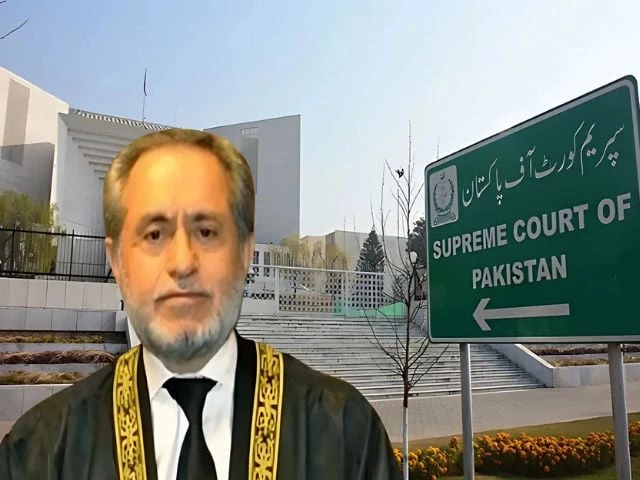
In a significant legal development, Justice Jamal Mandokhail of the Supreme Court has made headlines with his dissenting opinion in the recent reserved seats case. His 12-page judgment has been published on the court’s website, and it provides critical insights into the ongoing debate surrounding political affiliations and judicial authority.
Understanding the Context
The Supreme Court had previously issued a ruling that partially accepted several appeals regarding reserved seats in the legislature. However, Justice Mandokhail rebuffed the majority opinion, particularly challenging the allocation of 41 seats, which he argued was outside the court’s jurisdiction. He highlighted that the candidates’ political affiliations cannot be altered by any judicial forum, emphasizing the importance of respecting the democratic process.
Key Arguments from Justice Mandokhail
-
Reaffirmation of Original Decision: Justice Mandokhail stood firm on his earlier decision that recognized 39 reserved seats. He maintained that allocating more seats should not come at the expense of candidates who had not requested any changes to their political standing.
-
Jurisdiction Concerns: One of the pivotal points in his dissent is that the majority’s decision went beyond the parameters of the case. He stressed that allowing the court to declare candidates as independent, when they did not seek such a declaration, undermines the integrity of the electoral process.
- Bench Composition and Transparency: Justice Mandokhail also addressed the composition of the bench that heard the case. He argued that there was no valid reason to exclude judges who had previously dealt with related matters. By including them, he believed the court could have maintained consistency and transparency, which are essential in upholding public confidence in the judiciary.
Why This Matters
Justice Mandokhail’s dissent is not just a legal document; it’s a reminder about the significance of judicial checks and balances. It brings to light the delicate relationship between the judiciary and electoral politics. His focus on the proper authority of the court to interpret political affiliations raises critical questions about how much involvement the judiciary should have in political matters.
In today’s landscape, where political opinions can be divisive and complex, Justice Mandokhail’s perspective serves as a crucial voice advocating for a balanced approach.
Engaging Further
If you’re interested in more insights into the dynamic intersections of law, politics, and public policy, connect with us at Pro21st. We love diving deep into such discussions and sharing valuable updates. Your engagement is always welcomed!
At Pro21st, we believe in sharing updates that matter.
Stay connected for more real conversations, fresh insights, and 21st-century perspectives.