Understanding the Recent Legal Battle Over Election Conduct in Khyber-Pakhtunkhwa
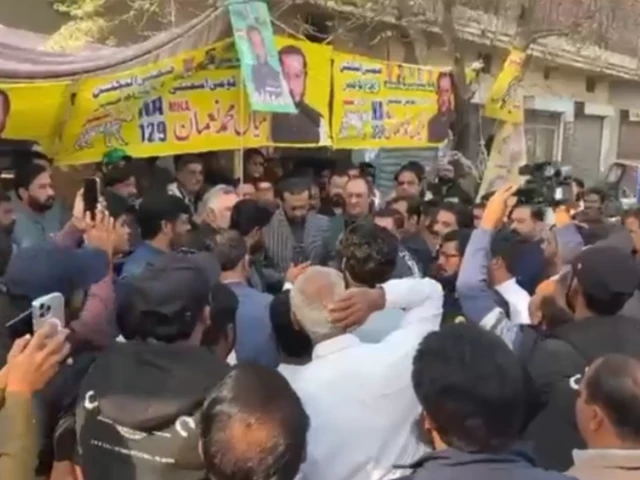
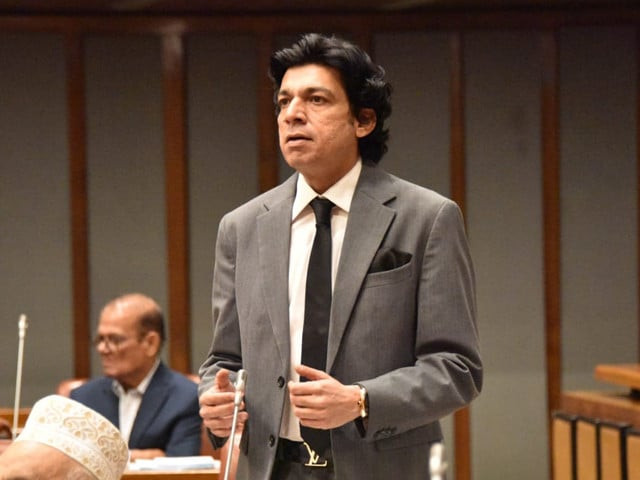
Political landscapes are often contentious, and the recent case involving Khyber-Pakhtunkhwa Chief Minister Sohail Afridi is no exception. Afridi has taken a stand against the Election Commission of Pakistan (ECP), claiming that a notice alleging violations of election conduct is not just misguided but downright malicious. This legal tussle comes on the heels of upcoming by-elections in Haripur, and it’s certainly stirring the pot in Pakistan’s political circles.
So, what happened? In a writ petition to the Peshawar High Court, Afridi contends that the ECP issued a notice without adequate evidence, aiming it squarely at him while failing to observe proper procedural protocols. He argues that the allegations stem from a politically motivated narrative that misrepresents his public engagements. For instance, his recent visit to Abbottabad, which he insists was purely developmental, was inappropriately linked to Haripur’s electoral scene.
One of the key issues at play here is the procedural lapse on part of the ECP. Afridi’s legal team points out that the district monitoring officer had not filed any complaint nor provided a report prior to the issuance of the notice. This oversight raises questions about the integrity of the electoral process and the motives behind these allegations. After all, fair elections are contingent upon following due process.
During a recent hearing, the ECP’s four-member bench, led by the chief election commissioner, had much to discuss. Their focus was on the broader implications of code violations, not just limited to Afridi but extending to other candidates in the constituency. Signs of political rivalry became apparent as the ECP held candidates accountable for creating an environment that could intimidate voters or election officials—a serious concern in electoral practices worldwide.
Afridi’s counsel made it clear: the notices served to the Chief Minister were "unjustified." He elaborated that Afridi addressed rallies not in Haripur but in areas adjacent, which contradicts the ECP’s claims of misconduct. Moreover, accusations directed at other political figures, including the Punjab Chief Minister, suggest a double standard in how these rules are enforced.
As this situation unfolds, the implications are profound. It speaks to the ongoing struggle for fair elections in Pakistan while highlighting the challenges politicians face amid a polarizing atmosphere. For many citizens, these disputes can seem distant or disconnected from everyday concerns. Yet, they significantly impact governance and public trust.
In the end, it’s essential for the democratic process to uphold transparency and fairness. The court’s decision could set a crucial precedent for how electoral misconduct is defined and addressed moving forward.
For those interested in staying updated on topics like this and diving deeper into the political landscape, consider connecting with organizations like Pro21st. They provide valuable insights and foster engaging discussions around current events and governance, helping citizens navigate the complexities of political changes and issues.
At Pro21st, we believe in sharing updates that matter.
Stay connected for more real conversations, fresh insights, and 21st-century perspectives.