Understanding the Wheat Crisis in Khyber-Pakhtunkhwa
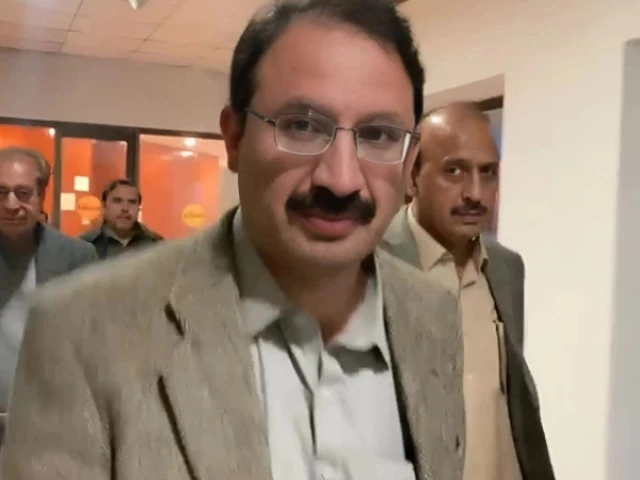
Khyber-Pakhtunkhwa (K-P) is facing a pressing wheat crisis, a situation that’s drawn serious concerns from its Governor, Faisal Karim Kundi. Recently, he reached out to Prime Minister Shehbaz Sharif, calling for urgent action against what he described as "unconstitutional restrictions" on the movement of wheat into K-P from Punjab. This issue is crucial because K-P is heavily reliant on wheat imports from its neighboring province to meet its food needs.
The heart of the matter lies in Punjab’s decision to impose restrictions on inter-provincial wheat movement. These measures have triggered sharp criticism not only from K-P but also from the Sindh government. With K-P consuming around 5.3 million tonnes of wheat annually but only producing 1.5 million tonnes locally, the province’s food security is largely dependent on its inter-provincial imports.
Governor Kundi highlighted that these restrictions not only violate Article 151 of the Pakistani Constitution, which promotes trade freedom among provinces, but they also threaten the livelihoods of families already struggling with rising prices. Recent reports indicate flour prices have soared, with costs reaching Rs1,200 for a 20kg bag in Punjab and up to Rs2,800 in K-P. This alarming hike has made basic staples unaffordable for many.
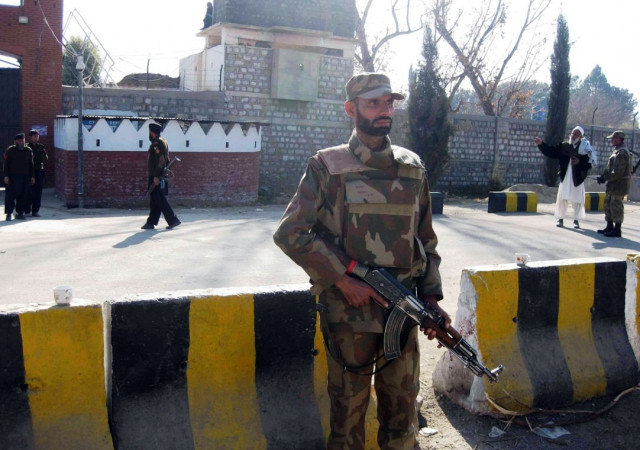
In response to the situation, K-P’s assembly took a strong stand by unanimously passing a resolution against Punjab’s restrictions and the impact they have on the local economy. Despite reassurances from Punjab officials denying the existence of a formal ban, they have acknowledged implementing checkpoints to monitor wheat movement, raising further concerns among K-P officials and flour millers.
The crux of the issue is not just about wheat; it’s about ensuring fair access to resources and upholding constitutional rights. Governor Kundi emphasized that such restrictions encourage illegal trading and hoarding, exacerbating an already dire shortage. The K-P government has stated its needs clearly, asking for the removal of barriers to facilitate the free flow of wheat and flour.
The ongoing discussions among local and federal officials highlight the critical importance of cooperative federalism in addressing these challenges. As the situation unfolds, it’s clear that effective communication and action are essential for stabilizing wheat supplies and, ultimately, food security in the province.
If you’re interested in staying updated on food security issues and agricultural policies in Pakistan, consider connecting with Pro21st for more insights and analysis. We aim to bring clarity to complex issues affecting our communities.
At Pro21st, we believe in sharing updates that matter.
Stay connected for more real conversations, fresh insights, and 21st-century perspectives.