
Understanding the Regional Dynamics: Pakistan, Afghanistan, and Beyond
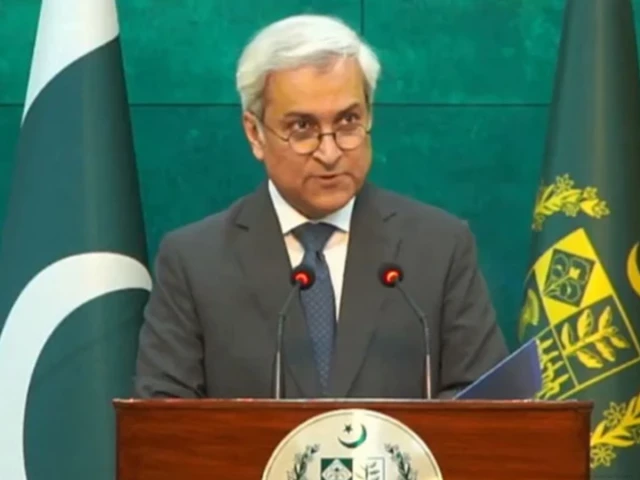
In recent times, the political landscape in South Asia has been increasingly complex, particularly in the relationship between Pakistan and Afghanistan. During a recent press briefing, Pakistan’s Foreign Office spokesperson, Tahir Hussain Andarabi, pointed out the growing concern regarding the use of Afghan territory for terrorist activities. He emphasized that Pakistan’s border restrictions and trade suspension with Afghanistan would remain firmly in place until these issues are addressed.
This highlights a pivotal aspect of regional security: the necessity for cooperation to combat terrorism effectively. Andarabi noted that the Afghan Taliban must take responsibility for controlling groups engaging in harmful activities against Pakistan. The choice to suspend trade underscores the seriousness of these threats, aiming to send a clear message about Pakistan’s stance on the matter.
Interestingly, the spokesperson welcomed Turkiye’s interest in acting as a mediator, although a planned delegation visit was recently postponed. This move reflects a broader willingness among several nations to facilitate dialogue between Pakistan and Afghanistan, which is crucial for lasting peace in the region. Importantly, while tensions persist, communication channels between both countries are still operational, showcasing a commitment to diplomacy.
On a different note, Deputy Prime Minister Ishaq Dar’s recent engagements, including meetings in the European Union and discussions in Moscow, point to Pakistan’s proactive approach in international relations. His meetings with foreign ministers from various countries not only signify efforts to enhance bilateral relations but also align Pakistan more closely with global economic discussions. The memorandum on scholarships for Pakistani students is a positive outcome, fostering educational ties that can yield long-term benefits.
Amid these various diplomatic initiatives, the mention of regional issues extends beyond Afghanistan. Andarabi condemned the actions of Israeli forces in the occupied West Bank and expressed concern over incidents in Indian-occupied Kashmir. He called for global attention to ongoing human rights violations, aiming to keep these crucial matters on the international agenda.
In an intriguing twist, the spokesperson also addressed the recent death sentence announced for former Bangladeshi Prime Minister Sheikh Hasina, stating that it’s an internal matter for Bangladesh to resolve according to its constitutional framework. This emphasizes the idea that each nation must handle its own legal processes.
These dynamics underscore the intricate web of relationships that define South Asia. As we keep an eye on these developments, staying informed can help us understand the significance of diplomacy and international cooperation in addressing regional challenges.
If you’re interested in further exploring topics related to international relations and regional dynamics, feel free to connect with Pro21st to stay updated and engaged in these discussions.
At Pro21st, we believe in sharing updates that matter.
Stay connected for more real conversations, fresh insights, and 21st-century perspectives.