
Understanding Pakistan’s Security Landscape: Insights from Khawaja Asif
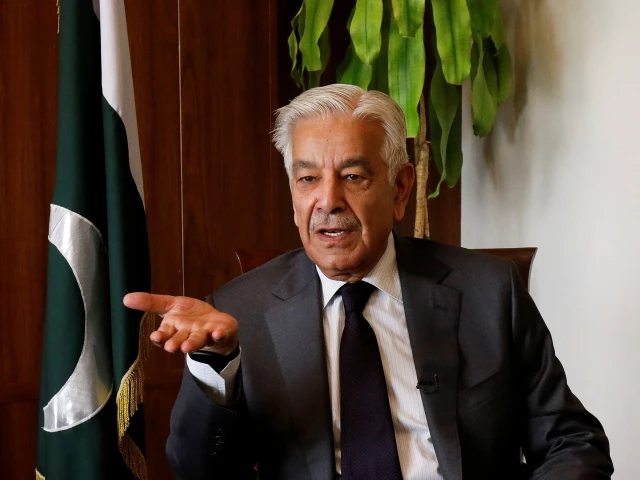
Recently, Pakistan’s Defence Minister Khawaja Asif shed light on ongoing concerns related to cross-border attacks from Afghanistan. These comments come in the context of heightened tensions and repeated violations of security, highlighting how the situation affects both nations.
During a discussion on the Express news programme Center Stage, Asif pointed out the contradictory statements emerging from the Afghan Taliban regime. While they claim to ensure their territory is not used against Pakistan, the minister asserted that the evidence tells a different story. He stressed that for lasting peace, Pakistan needs clear assurances from the Taliban that terrorism will not emanate from Afghan soil.
The Call for Guarantees
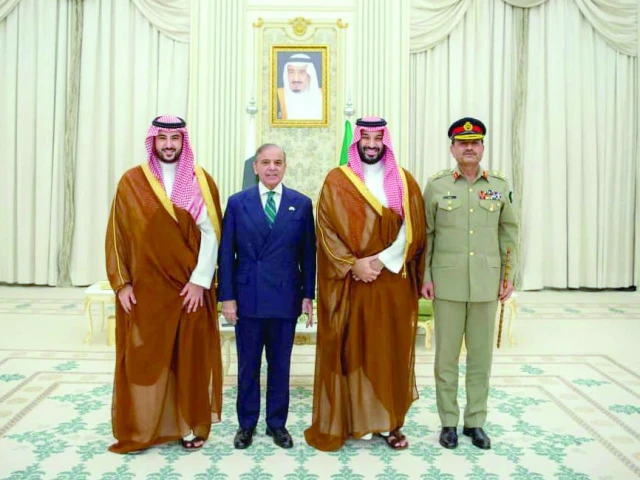
Asif suggested that establishing a formal written pledge—backed by friendly nations like Türkiye, Saudi Arabia, and China—could foster a sense of stability. He believes these assurances are essential to moving forward, stating, “If terrorism is not occurring from your territory, then give a guarantee that it will never occur.” This stance demonstrates a commitment to finding a resolution, rather than simply pointing fingers.
He further cited recent attacks in Pakistan as evidence linking back to Afghanistan, emphasizing that they involve Afghan nationals and not Pakistanis. This highlights the gravity of the situation and the urgent need for collective action.
Afghanistan’s Current State
Reflecting on Afghanistan’s dire circumstances, Asif characterized the country as having suffered an institutional collapse. With widespread unemployment and a lack of basic government structure, he painted a bleak picture of life for Afghan citizens. Such conditions appear to create a safe haven for various militant groups, complicating security for neighboring countries.
Trade and Security
Turning to economic matters, Asif discussed the necessity for the Pakistan-Afghanistan border to operate more like a formal international frontier. He cited the recurring cross-border attacks as justification for stricter regulations to deter not only violent spillover but also smuggling activities.
In his comments regarding military leadership, Asif addressed the upcoming simultaneous tenures of the army chief and the Chief of Defence Forces (CDF), reiterating the credibility of both positions. His aim was to dispel notions of over-concentration of power within the military and affirm the ongoing integrity of judicial processes.
Judicial Resignations and Accountability
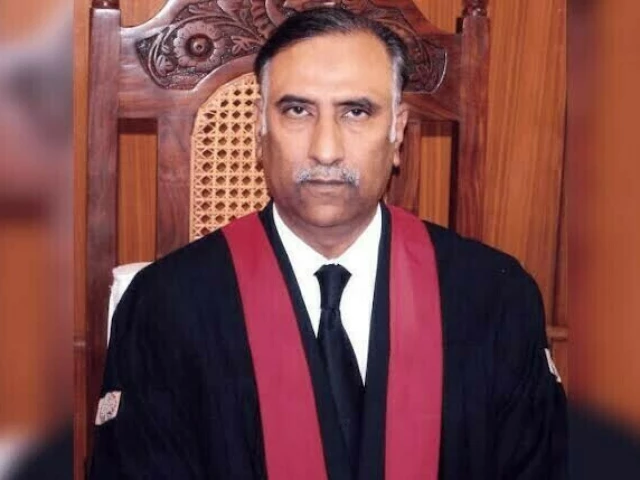
A particularly striking remark by Asif suggested that many judges resign simply to secure pensions and benefits at the end of their terms. He urged judges leaving office on principle to publicly share their reasons, thus enhancing accountability within the judiciary.
Moving Forward
All these factors sketch a complicated but crucial picture of Pakistan’s security and governance landscape. The interplay between politics, security, and economics is intricate, and impactful action must be taken for stability.
If you’re keen on delving deeper into the dynamics that shape our regional security and governance, don’t hesitate to explore resources and insights available through Pro21st. We’re here to help you stay informed and engaged with pressing issues!
At Pro21st, we believe in sharing updates that matter.
Stay connected for more real conversations, fresh insights, and 21st-century perspectives.