
The Current State of U.S.-Russia Relations: What’s Next?
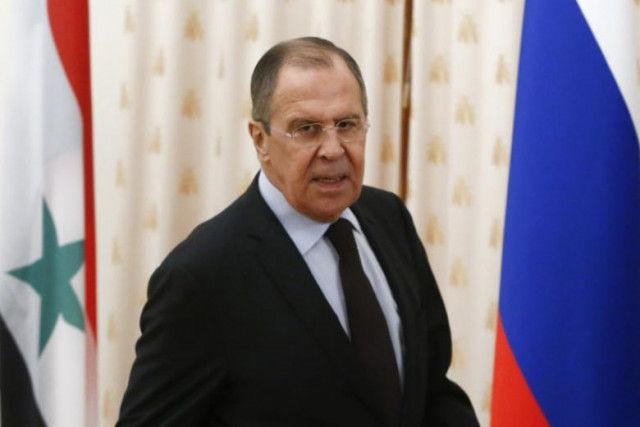
In a recent interview, Russian Foreign Minister Sergei Lavrov shed light on the intricate relationship between the United States and Russia. Despite ongoing discussions around economic cooperation, Lavrov expressed skepticism about the future of these ties, especially amidst the backdrop of the Ukraine war. He mentioned that while the U.S. aims for "economic dominance," this focus has created rifts rather than bridges.
Lavrov’s remarks highlight the complexities that exist not only between the two nations but also within global frameworks like BRICS, which includes major economies like China, India, and Brazil. This coalition has been a source of resistance to U.S. strategies. He pointed out that the U.S. administration, particularly under former President Trump, has displayed hostility toward BRICS, complicating diplomatic efforts.
While there’s an apparent desire from both sides to re-establish economic relations, the current realities suggest that this may take more time and work than anticipated. Lavrov accentuated the need for Russia to explore "protected ways" to advance its projects with BRICS countries, underscoring a shift in focus from traditional partnerships to emerging alliances.
As the political landscape evolves, the question remains: how will these dynamics shape future economic and diplomatic relations? With sanctions and geopolitical tension heating up, it’s clear that both nations will need to navigate a maze of challenges to find common ground.
For those interested in staying updated on international relations and global economic trends, consider exploring more resources to deepen your understanding. Platforms like Pro21st offer valuable insights and analysis that can help keep you informed about the rapidly changing geopolitical landscape. Let’s engage and learn more together!