
Justice Shams Mehmood Mirza Resigns: What This Means for Pakistan’s Judiciary
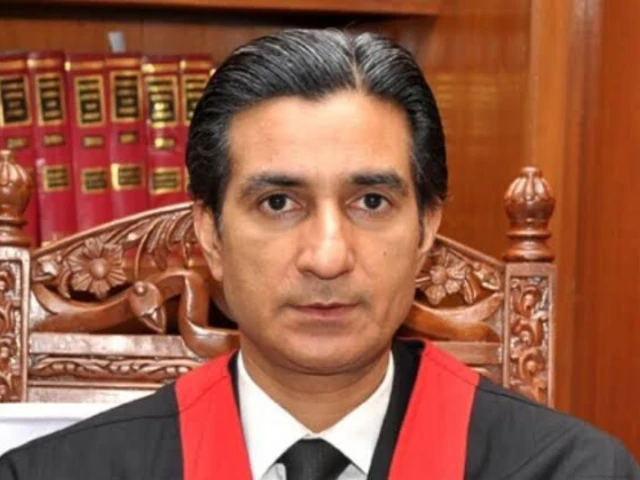
In a stunning turn of events, Justice Shams Mehmood Mirza of the Lahore High Court has resigned, sparking significant discussions in legal and political communities across Pakistan. Mirza’s resignation comes in response to the controversial 27th Constitutional Amendment, which has raised eyebrows and sparked debate about the future of judicial independence in the country.
Justice Mirza, who was a member of the LHC’s administrative committee and played a crucial role in decision-making, sent his resignation directly to the President of Pakistan and has already vacated his chamber. His decision is particularly impactful because he was slated to retire in 2028, making his early departure noteworthy.
The 27th Amendment has fundamentally altered the judicial landscape by establishing a Federal Constitutional Court (FCC) that holds authority over constitutional matters, effectively placing the Supreme Court under its jurisdiction. Critics argue that this amendment undermines judicial independence, effectively shifting the balance of power toward the executive branch. The resignation of Justice Mirza, coupled with similar moves by senior justices like Mansoor Ali Shah and Athar Minallah, reflects a growing unease within the judiciary regarding the implications of this amendment.
It’s also important to note that earlier this year, a reference against Justice Mirza was filed in the Supreme Judicial Council, indicating the mounting pressures within the judicial system. Many see his resignation as a principled stand against a shift that compromises the integrity of the judiciary.
Coming from a distinguished judicial family—his father being former Supreme Court judge Justice Zia Mahmood Mirza—his departure is emblematic of broader concerns about maintaining judicial independence in the face of political pressures.
What does this mean for the legal landscape in Pakistan? It raises questions about the future of judicial independence, the potential impacts on ongoing cases, and the overall trust in the legal system. The effects of these significant resignations may echo far beyond the walls of the courtroom.
If you’re looking to stay updated on these developments or explore more about the judiciary’s dynamics in Pakistan, platforms like Pro21st can provide insightful analyses and foster discussions on these critical matters.
At Pro21st, we believe in sharing updates that matter.
Stay connected for more real conversations, fresh insights, and 21st-century perspectives.