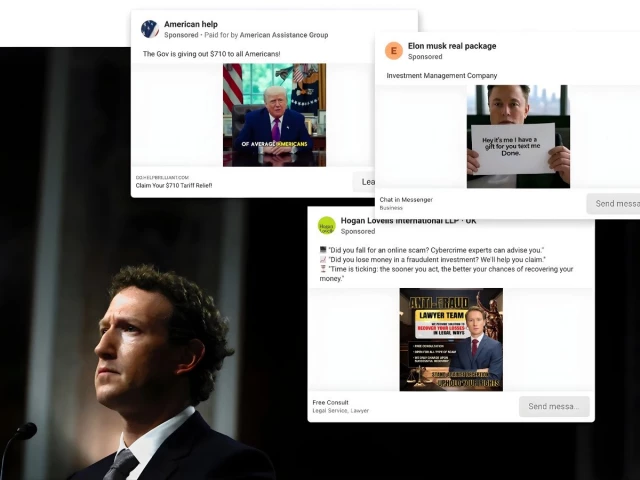

The Hidden Cost of Scams on Social Media: Insights into Meta’s Advertising Problems
In recent revelations, internal documents from Meta have unveiled a startling truth: the company anticipates that approximately 10% of its 2024 revenue could come from advertising linked to scams. That’s a jaw-dropping $16 billion, and it paints a vivid picture of the ongoing struggles in regulating online fraud.
The social media giant, known for its platforms like Facebook, Instagram, and WhatsApp, has faced increasing scrutiny for allowing fraudulent ads to flourish. Over the past three years, it allegedly failed to detect a tsunami of advertisements hawking fraudulent e-commerce schemes, illegal online gambling, and even banned medical products. On average, Meta serves up around 15 billion "higher risk" scam ads daily, with the company netting around $7 billion annually from this dubious revenue stream.
Even more alarming is how Meta’s internal systems identify suspicious advertisers. Surprisingly, they only ban those predicted to be at least 95% likely to commit fraud. If they aren’t quite sure but suspect foul play, Meta opts to impose higher ad rates rather than taking thorough action. This approach has allowed many scam ads to slip through, often catering specifically to user interests—meaning the more you click on dubious ads, the more of them you’ll see.
It’s no wonder that industry experts are voicing concern over such practices. Sandeep Abraham, a former Meta safety investigator, pointed out a critical perspective: if financial institutions aren’t allowed to profit from fraud, why should tech companies?
Despite the backlash, Meta has committed to a gradual reduction of scam-related revenue. The goal isn’t just altruistic; regulatory pressures have created a climate where swift action is imperative. However, Meta’s internal strategy documents indicate that the company is choosing a moderate approach rather than an aggressive crackdown, weighing the financial implications of stricter enforcement.
In a world increasingly dominated by digital experiences, the onus falls on platforms like Meta to protect their users. With the rise of artificial intelligence and advanced technology, the expectation is that these companies should be able to filter out scams more efficiently. It’s an ongoing struggle between keeping profits high and ensuring a safe environment for users.
As we navigate this digital landscape, it might be worth keeping informed on advertising ethics and the implications of online scams. If you’re looking to connect with others who are aware of these issues or seeking insights on protecting your online presence, consider joining communities like Pro21st for valuable discussions and updates. Together, we can foster a more transparent online environment.