
A Historic Step Towards Minority Rights in Pakistan: The 27th Constitution (Amendment) Bill, 2025
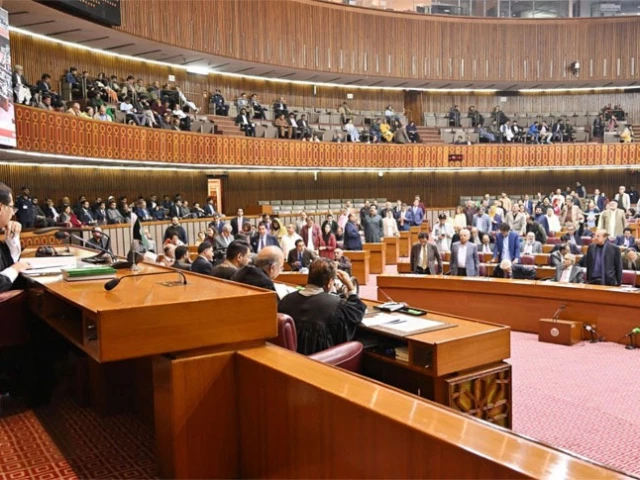
In a significant turn of events for minority rights in Pakistan, the National Assembly has passed the 27th Constitution (Amendment) Bill, 2025, despite a decade-long delay stemming from the Supreme Court’s 2014 orders. The recent discussions, filled with passion and rigor, reveal just how vital this legislation is.
The bill aims to establish a National Commission for Minority Rights, dedicated to protecting the rights of non-Muslims across the nation. Law Minister Azam Nazir Tarar emphasized that this legislation should not be marred by politics, asserting that it marks a historic leap towards formalizing protections for minorities in Pakistan.
What’s Inside the Bill?
Under the new bill, the commission will consist of 16 members:
- Each province will nominate two minority representatives.
- One member from Islamabad, chosen by the Chief Commissioner.
- Three members from existing national bodies focused on human rights and children’s rights.
- Officials from key ministries will also play a role in the commission.
An important stipulation is that both commission members and the chairperson must be at least 35 years old, with the chairperson expected to have relevant experience in human rights.
A Heated Debate
During the joint session for the bill’s passage, lawmakers engaged in passionate debates, particularly on issues concerning the Qadiani community. Notably, Clause 35, which had proven contentious, was withdrawn following arguments highlighting its potential conflict with existing protections.
While lawmakers like Kamran Murtaza raised concerns about the implications of this withdrawal, Minister Tarar reassured that no legislation would contravene Islamic laws and norms. The balance between legislative action and religious beliefs remains a delicate one, as illustrated by the differing views among various political factions.
Perspectives on the Legislation
Critics, including prominent opposition leaders like Maulana Fazlur Rehman, voiced their apprehensions regarding the bill’s implications. They argue that hasty legislation risks reigniting divisions within society rather than fostering unity. The sentiment echoed by Raja Nasir Abbas emphasized how pressing matters of human rights should be approached with caution, reflecting on the delicate fabric of Pakistan’s diverse communities.
Conclusion: A Call for Change
As the country moves forward with this critical legislation, it stands at a crossroads. The passage of the 27th Constitution (Amendment) Bill, 2025, could certainly pave the way for better protection of minority rights, but it needs to be implemented thoughtfully, ensuring no community feels marginalized.
This recent legislative move shows the potential for change, even in a landscape often fraught with resistance to reform. If you’re interested in exploring more on this vital topic, stay connected with updates and discussions around minority rights in Pakistan—connect with resources like Pro21st to remain informed and engaged. Together, we can work towards a more inclusive future for all.
At Pro21st, we believe in sharing updates that matter.
Stay connected for more real conversations, fresh insights, and 21st-century perspectives.