
The Growing Tensions: Pakistan Responds to Rajnath Singh’s Comments on Sindh
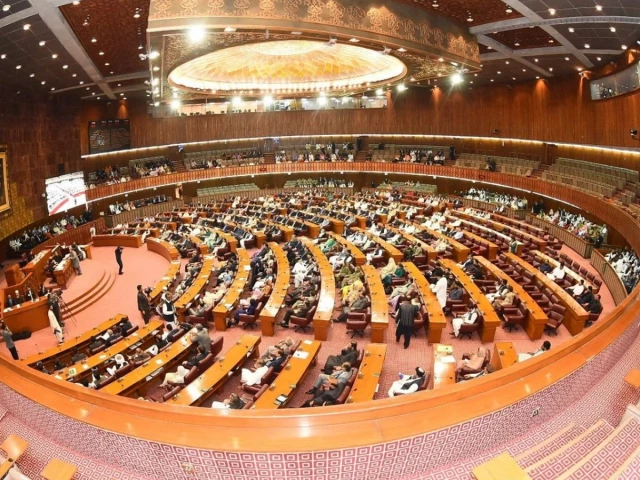
In a recent session of the National Assembly, Pakistani lawmakers reacted strongly to remarks made by Indian Defence Minister Rajnath Singh, labeling them as a direct attack on Pakistan’s sovereignty. The proclamation came after Singh suggested that Sindh, a province of Pakistan, might one day revert back to India. This statement sparked immediate backlash, with lawmakers issuing a resolution that condemned Singh’s comments as "highly condemnable."
Aslam Alam Niazi, a member of the Pakistan Peoples Party, spearheaded the resolution. He emphasized that "Sindh is an inseparable part of Pakistan," reinforcing the province’s significant role in Pakistan’s constitutional and historical framework. That day in the Assembly, members from various parties united, expressing their discontent over what they see as India’s unwarranted interference in Pakistan’s internal affairs.
Notably, this sentiment was echoed in the Sindh Assembly, which also passed a resolution denouncing Singh’s claim. Mukesh Chawla, a PPP minister, highlighted that the resolution reflected a consensus across both treasury and opposition benches, affirming that the assembly stands firm against any assertions that undermine Pakistan’s territorial integrity. Chief Minister Murad Ali Shah characterized Singh’s remarks as "provocative and unfounded," citing the deep historical roots of Sindh, tracing back thousands of years.
The rhetoric didn’t stop there; other lawmakers added their voices to the chorus of condemnation. They argued that Singh’s comments reveal a disconnect from the realities of history and the deep cultural ties that have long connected Sindh to Pakistan. For instance, the history of Sindh predates many modern political borders, and claims to the region are contested by its long-standing heritage.
In light of these tensions, it’s essential to understand the implications of such statements on regional stability. As both nations navigate complex relationships fraught with historical grievances, the dialogue—and in some cases, lack of it—plays a crucial role in shaping public sentiment and geopolitical dynamics.
The international community is also watching closely. The Pakistani government is keen on circulating these resolutions globally, hoping to garner support and highlight India’s growing assertiveness in regional discourse.
As this situation develops, it raises questions about how both countries will manage their narratives and relationships. A unified response from Pakistani lawmakers indicates a serious approach to safeguarding sovereignty and promoting national integrity.
If you want to stay updated on these unfolding events and more insights into regional affairs, consider connecting with us at Pro21st. We’re committed to delivering valuable perspectives that matter in today’s fast-paced news landscape.
At Pro21st, we believe in sharing updates that matter.
Stay connected for more real conversations, fresh insights, and 21st-century perspectives.