
NASA’s Artemis II: Delays and What They Mean for Lunar Exploration
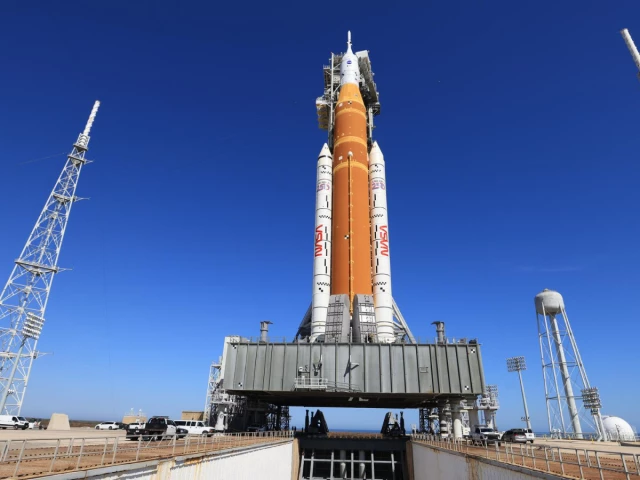
Hey there, space enthusiasts! If you’re as excited about the Artemis II mission as I am, you might be feeling a bit disappointed after NASA’s recent announcement. Jared Isaacman, NASA’s Administrator, confirmed that the mission’s launch window in March has been ruled out due to technical problems with the Space Launch System (SLS) rocket. Specifically, issues were found with the helium flow, which is crucial for the rocket’s operations.
It’s tough news, especially after all the anticipation surrounding this crewed flyby of the Moon—the first in over 50 years! The team, comprising Commander Reid Wiseman, Pilot Victor Glover, Mission Specialist Christina Koch, and Canadian Mission Specialist Jeremy Hansen, has been preparing for this historic trip for quite some time. Isaacman expressed that the disappointment is felt deeply within the NASA team, who have poured their hearts into making this mission happen.
While this isn’t the first delay Artemis has faced—let’s not forget the challenges during the uncrewed Artemis I mission last November—it’s a reminder of the complexities involved in space exploration. During its initial preparations, NASA encountered numerous hurdles, including a liquid hydrogen leak that cut short a key rehearsal earlier this month.
After assessing the current technical issues, the SLS rocket and Orion spacecraft will be returned to the Vehicle Assembly Building at Kennedy Space Center in Florida for a thorough investigation and necessary repairs. This step is essential before they can safely proceed toward a future launch.
Now, why all the rush? In the backdrop of NASA’s ambitious plans, China is ambitiously moving forward with its lunar missions, targeting a crewed landing by 2030. It puts a bit of a competitive spin on things, doesn’t it? The mission aims not only to revisit our Moon but also to gather insights that could help prepare us for future Mars missions. It’s an exciting time for exploration, even with unavoidable setbacks!
As we wait for the official updates on next steps, it’s a great time to reflect on how far we’ve come in space technology. The Artemis program is a crucial leap towards landing humans back on the Moon—a goal that the U.S. has set its sights on for years. So, while we have to be patient now, the eventual reward is a step back into the cosmos that could forever alter our understanding of our celestial neighbors.
If you’re passionate about space exploration and want to dig deeper into these developments, consider checking out Pro21st. They offer resources and insights that may just fuel your curiosity! Keep looking up, and let’s hope for some exciting news soon! 🚀