
NASA’s Artemis II Mission: A New Era of Space Exploration
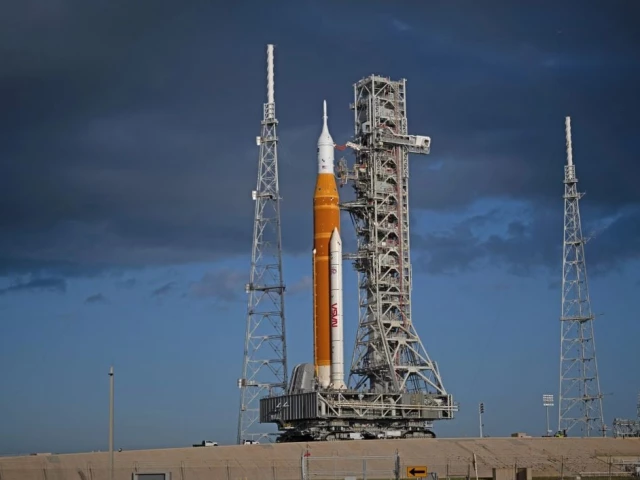
NASA is gearing up to launch a groundbreaking ten-day mission, marking the first crewed flight to the moon in over half a century. On March 30, 2026, three U.S. astronauts and one Canadian astronaut will embark aboard the Orion spacecraft, whisking them deeper into space than humans have traveled before. This marks the second Artemis mission, a pivotal step in the U.S. space program as it aims to not only return to the moon but also lay the groundwork for future missions to Mars.
What’s Special About Artemis II?
This mission isn’t just about nostalgia; it’s a critical test flight for NASA’s ambitious Artemis program. The journey will not only circle the moon but also focus on testing life-support systems, navigation, and communications. Previous missions have laid the groundwork with uncrewed tests, but Artemis II will put the crew’s capabilities to the test, ensuring that everything runs smoothly as they venture into the unknown.
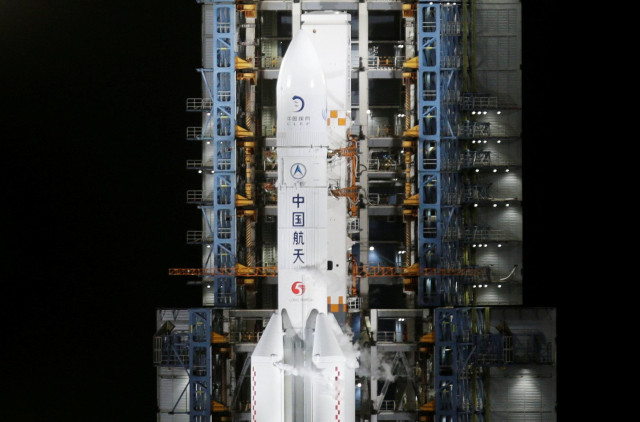
NASA’s Artemis program has an impressive budget—estimated to be around $93 billion since its inception in 2012. Yet, it’s not just about the numbers; it’s about reasserting U.S. leadership in space exploration amid rising competition from nations like China, which has its own ambitious lunar plans.
The Team Behind the Mission
Astronauts Christina Koch, Victor Glover, and Reid Wiseman will be joined by Jeremy Hansen, the first Canadian astronaut to venture near the moon’s orbit. This collaboration underscores the increasing global interest in lunar exploration and the potential for partnerships that go beyond national borders.
Christina Koch aptly described the moon as a "witness plate" to our solar system’s formation, calling it an essential stepping stone for missions to Mars. During her recent comments, she emphasized the value of exploring beyond our planet: “Not only can we gain extremely tangible benefits, but we also have the opportunity to answer the question that could be the question of our lifetime: are we alone?”
The Bigger Picture: Commercial Moon Market
NASA is not navigating this journey alone. The Artemis program has built partnerships with various companies, stimulating a commercial lunar market aimed to take off in the future. Big players like Boeing, Lockheed Martin, SpaceX, and Blue Origin are involved, each bringing specialized technology and expertise to the mission. Analysts project that lunar activities could generate an impressive $127 billion in revenue by 2050, a tantalizing prospect for governments and private sectors alike.
Future Missions
While Artemis II is a monumental undertaking, it’s just the beginning. Future missions aim to establish a sustainable human presence on the moon, and ultimately prepare for manned Mars explorations. With ambitious plans for Artemis III set for 2027, which will involve the first crewed lunar landing since Apollo 17, NASA is charting a course that will redefine space exploration for years to come.
Connecting to the Journey
As we look ahead to this extraordinary mission and its implications, it becomes evident that these endeavors aren’t just scientific pursuits; they are also stepping stones toward potential discoveries that could change our understanding of life itself. For those intrigued by space exploration, technology, and international collaboration, the Artemis program serves as a beacon of hope and curiosity.
If you’re passionate about these developments, check out Pro21st for insights and discussions that connect you to the ongoing evolution of space exploration. Don’t miss out on being a part of this exciting journey!