
Trouble for Khyber-Pakhtunkhwa Chief Minister: What’s Happening with Sohail Afridi?
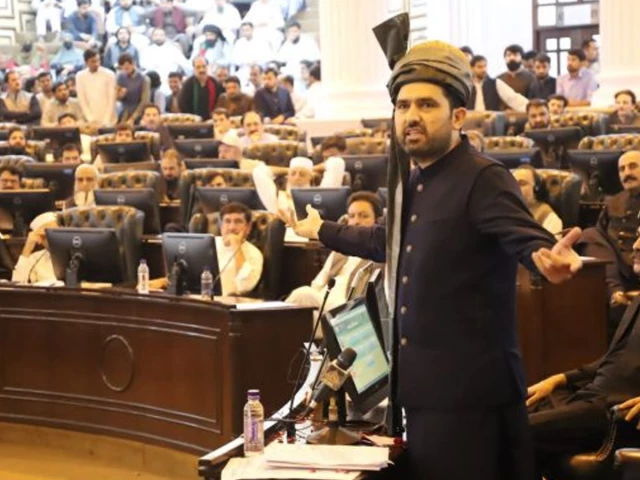
In a striking turn of events, Khyber-Pakhtunkhwa Chief Minister Sohail Afridi finds himself in deep legal waters after failing to appear in court multiple times. The Islamabad district court has now issued non-bailable arrest warrants against him, marking a significant escalation in a case that raises serious allegations of misleading statements aimed at state institutions.
The situation unfolded during a recent hearing presided over by Senior Civil Judge Abbas Shah. The case, filed under the Pakistan Electronic Crimes Act (PECA), sees the National Cyber Crime Agency (NCCIA) accusing Afridi of spreading false information. Despite the gravity of these charges, both Afridi and his legal representatives chose not to show up in court, prompting the judge to take stronger legal measures.
Initially, on December 11, the court had opted for bailable arrest warrants, likely hoping to coax Afridi into compliance. However, with his ongoing absence, the judge had little choice but to proceed with non-bailable warrants. This has elevated the stakes considerably, signaling that the court is serious about ensuring his appearance.
Following the court’s latest ruling, the case has been adjourned until January 3, 2026; this not only allows time for Afridi to respond but also means he must decide soon whether to engage with the court or face harsher consequences.
Separately, the Anti-Terrorism Court in Islamabad has initiated proceedings against Afridi and several other accused individuals, displaying notices at multiple public locations to ensure they are aware of their summons. The court clearly stated that this is the last chance for these individuals to comply. Failure to do so can lead to them being declared proclaimed offenders, triggering further legal actions.
Just a few weeks earlier, Afridi had sought protective bail from the Peshawar High Court to avoid arrest until December 9. However, that protection appears to be waning as he confronts mounting legal challenges.
The implications of this case reach further than just Afridi’s personal legal troubles, underscoring the tense relationship between politicians and public accountability. As the legal landscape evolves, it will be interesting to see how Afridi navigates these troubled waters and whether he will finally step up to face the charges against him.
In the world of politics and law, situations like this remind us of the importance of transparency and accountability. As events unfold, staying informed is crucial. If you’re keen on keeping up with the latest developments or exploring deeper insights into political issues, consider connecting with platforms like Pro21st for valuable resources and discussions.
At Pro21st, we believe in sharing updates that matter.
Stay connected for more real conversations, fresh insights, and 21st-century perspectives.