
Understanding the Current Situation at the Pakistan-Afghanistan Border
Recent events along the Pakistan-Afghanistan border have spotlighted critical developments. The ongoing military operation dubbed "Operation Ghazab Lil Haq" aims to address rising tensions and the threats posed by militant groups operating from Afghan territory. Prime Minister’s spokesperson, Mosharraf Zaidi, shared some alarming figures, indicating substantial losses for Afghan Taliban and Tehreek-e-Taliban Pakistan (TTP) forces.
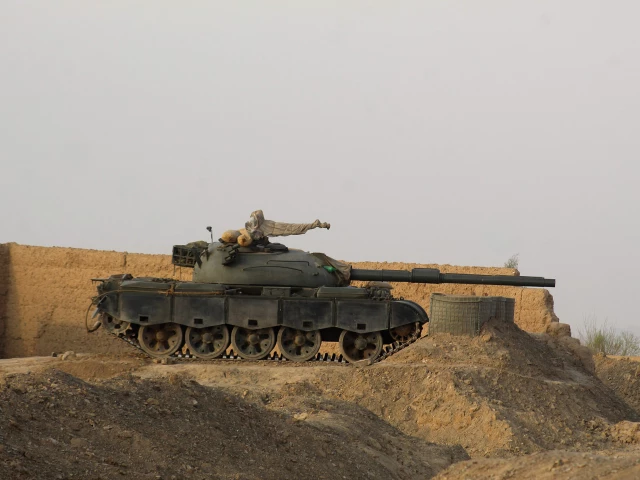
As of Friday night, reports tallied up to 297 militants killed, along with more than 450 injured. The Pakistani military’s decisive operational strategy included targeted airstrikes that effectively neutralized 89 Taliban posts and resulted in the destruction of 135 tanks and armored personnel carriers. Notably, 29 locations across Afghanistan have been targeted, showcasing a concerted effort to dismantle terrorist infrastructures.
Zaidi emphasized Pakistan’s measured and restrained approach, aiming to avoid civilian casualties while delivering these strikes. Attacks have prompted a robust response, underscoring Pakistan’s commitment to protecting its sovereignty and security. The situation remains fluid, and Information Minister Ataullah Tarar reiterated the seriousness of the threat, urging unity amongst Pakistan’s leadership to address this issue effectively.
It’s important to note that Tarar also addressed the need for cooperation between Pakistan’s tribal areas and the Afghan government to forge a lasting peace. This multi-party approach could play a crucial role in stabilizing the region, as military actions alone may not suffice.
Moving forward, it becomes clear that the situation is complex, involving historical grievances and the need for diplomatic dialogues alongside military interventions. Engaging in constructive discussions among local communities, Afghan authorities, and international partners could lay the groundwork for lasting solutions.
To stay informed about ongoing developments in this context, consider connecting with platforms like Pro21st, which cover a range of global issues, providing insights and fostering dialogue on critical matters affecting regional stability.