
Understanding the Recent Clashes Along the Pak-Afghan Border
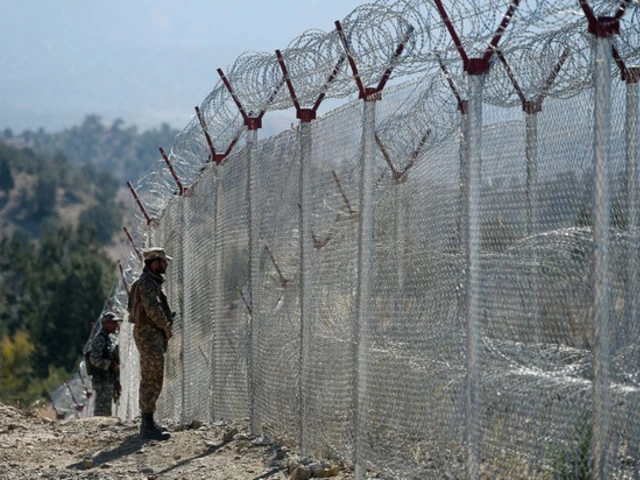
Recently, tensions flared up along the Pak-Afghan border, drawing attention not just locally but internationally. Afghan forces reportedly opened unprovoked fire on several locations in Pakistan’s Khyber-Pakhtunkhwa and Balochistan regions. This aggressive move triggered a swift and powerful counterattack from the Pakistan Army, which aimed to neutralize the threat and protect its territory.
What Happened?
Clashes erupted primarily from key sectors like Angoor Adda and Bajaur, where Afghan forces attempted to facilitate illegal entries of militants labeled by Pakistan as "Khwarij." This term usually refers to the banned Tehreek-i-Taliban Pakistan (TTP). In response, the Pakistan Army swiftly targeted multiple Afghan posts, resulting in significant casualties among Afghan soldiers and militants.
One source noted that many Taliban fighters retreated in chaos, abandoning their positions and leaving behind the bodies of their comrades. The situation escalated quickly, evolving into a significant military engagement characterized by artillery strikes, coordinated maneuvers, and drone surveillance.
The Broader Context
This militarized exchange comes at a diplomatically sensitive time; Afghanistan’s Foreign Minister is currently on an official visit to India, causing concern in Islamabad. Security analysts point out that the timing of the Afghan attack could be indicative of a broader strategy involving cross-border militancy.
Pakistan’s Interior Minister vocally condemned the Afghan attacks as violations of international law and asserted that such provocations would not go unanswered. He emphasized that Pakistan’s military forces remain on high alert, ready to respond decisively to any aggression.
The Plight of Khyber-Pakhtunkhwa
Khyber-Pakhtunkhwa has been battling a surge in terrorism, with militants frequently infiltrating across the Afghan border. Just recently, a terror assault on the Police Training School in Dera Ismail Khan led to the tragic loss of police lives and numerous injuries, underlining the precarious security situation in the region.
This worrying trend is compounded by the fact that many militants maintain links to Afghanistan, utilizing abandoned wartime weaponry. Military officials have emphasized that effective governance and a well-implemented National Action Plan (NAP) are crucial for restoring peace and stability in the area.
A Call for Cooperation
As both countries grapple with these challenges, cooperation and diplomatic dialogue are pivotal. While retaliatory measures may seem immediate and necessary, a long-term solution requires a mutual understanding aimed at ensuring border security and preventing future clashes.
In moments like these, it’s essential to stay informed and engaged. Finding ways to promote peace and stability, whether through dialogue or community building, can go a long way in mitigating such tensions. If you’re looking for insightful updates and resources related to regional security and dynamics, check out Pro21st—where informed discussions and community connections happen.
At Pro21st, we believe in sharing updates that matter.
Stay connected for more real conversations, fresh insights, and 21st-century perspectives.