
Rising Tensions: Pakistan-Afghanistan Relations Under Strain
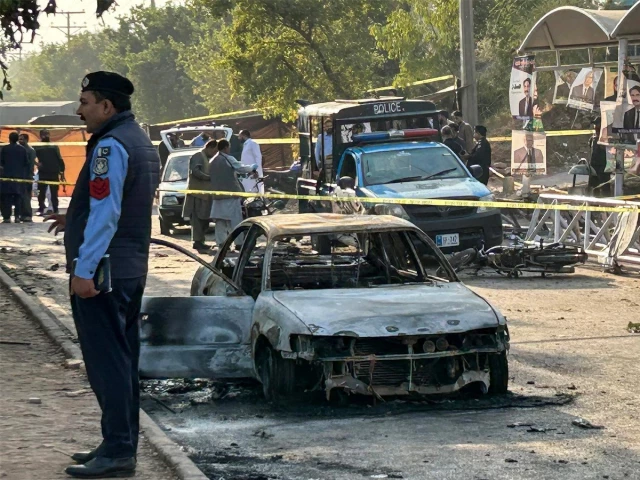
Tensions are intensifying between Pakistan and Afghanistan following a series of alarming attacks that have rattled both nations. Recent investigations revealed that the suicide bombers involved in attacks in Islamabad and Wana were Afghan nationals, raising fresh concerns about security and the Taliban’s ability—or willingness—to control militant groups operating within its borders.
On November 11, 2025, a suicide bomber targeted the Judicial Complex in Islamabad, while another group struck the Cadet College in Wana just days later. Both incidents resulted in tragic loss of life and underscored the fragility of peace in the region.
These developments have hit particularly hard in Islamabad. Officials suspect that Afghanistan is providing sanctuary to militants linked to the Tehreek-e-Taliban Pakistan (TTP). Despite reassurances from the Taliban leadership that Afghan soil would not be utilized for attacks, these recent events contradict those claims. As Pakistani officials prepare to share what they describe as "conclusive evidence" of Afghan involvement with mediators like Turkey and Qatar, Islamabad’s frustrations are becoming palpable.
The crux of the matter is that Pakistan feels the Taliban needs to take decisive action against the TTP, a demand that has met resistance. The Taliban argues that the TTP issue is an internal concern for Pakistan, a stance that Islamabad firmly rejects. They point out that many TTP leaders operate freely within Afghanistan, which complicates the already intricate diplomatic landscape.
Recent meetings in Doha and Istanbul aimed to ease these tensions, but they yielded little progress. Time is running out for diplomatic solutions, and with the current ceasefire in jeopardy, Islamabad’s patience is waning. One high-ranking official has stated, "The policy of restraint has not yielded results," indicating that Pakistan might soon adopt a firmer stance if the Taliban continues to dismiss its concerns.
As Pakistan engages with regional allies—such as China, Turkey, and Qatar—it emphasizes that quiet tolerance of cross-border terrorism is no longer feasible. Interior Minister Mohsin Naqvi has clearly stated the serious concerns regarding Afghan nationals’ roles in the recent bombings, further underlining Pakistan’s dissatisfaction with the Afghan Taliban regime.
In conclusion, the complexities of this situation cannot be overstated. As the stakes rise and the window for diplomacy narrows, Pakistan is reevaluating its options. The message to Kabul is clear: a lack of action against groups attacking Pakistan from its territory will no longer be tolerated. For those looking to delve deeper into this evolving situation and understand the broader implications, staying informed is crucial. Engaging with reliable sources, like Pro21st, can provide valuable insights and updates on this delicate issue.
At Pro21st, we believe in sharing updates that matter.
Stay connected for more real conversations, fresh insights, and 21st-century perspectives.