The ICC and Political Bias: A Call for Neutrality in Cricket
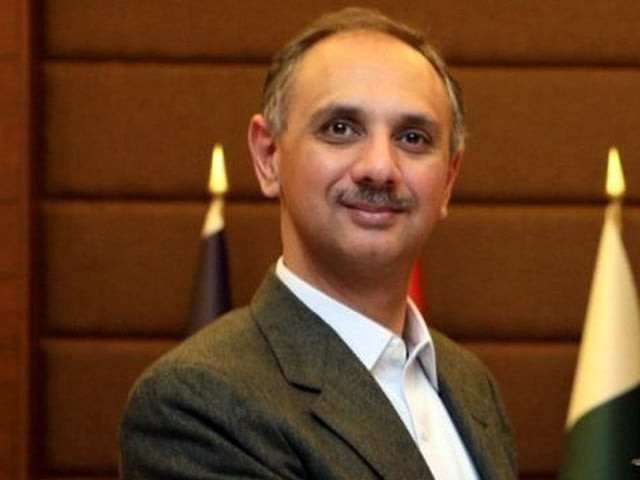
In the world of sports, cricket stands out as a game that unites millions across the globe. Yet, when political tensions seep into its governance, the very essence of the sport can be put at risk. Recently, Information Minister Attaullah Tarar addressed the International Cricket Council (ICC) regarding a controversial statement they made about the tragic deaths of three Afghan cricketers in a military strike. His comments have sparked a conversation about the ICC’s role in avoiding political entanglements.
Tarar harshly criticized the ICC’s statement, calling it "selective, biased, and premature." The ICC had expressed solidarity with the Afghanistan Cricket Board (ACB) after the deaths of these players, naming them as victims of an airstrike. However, without independent verification, many, including Tarar, feel the ICC’s statement was unfounded and exacerbated existing tensions.
What does this mean for cricket? When governing bodies craft narratives without conclusive evidence, they risk damaging their credibility and the sport itself. Tarar pointed out a troubling pattern where the ICC seems to amplify certain narratives, potentially influenced by political agendas. He highlighted that this could lead to a perception that the ICC is not impartial—a notion that could harm the integrity of the game.
Cricket is not just a sport for many; it’s a passion entwined with national pride. As such, the ICC must take care not to allow politics to infiltrate its decision-making processes. Tarar urged that the governing body should uphold its independence and resist any pressures to propagate biased narratives. This isn’t just about Pakistan or Afghanistan; it’s a broader reminder that sports should remain a respite from political turmoil.
As this situation unfolds, it serves as a critical lesson for sport’s governing bodies worldwide. They must stand firm in their commitment to neutrality, especially in a sport as beloved as cricket. The cricket community deserves an unbiased regulator, one that prioritizes the spirit of the game over political implications.
For further discussions about cricket governance and its challenges, feel free to reach out to Pro21st. We’re here to foster connections and delve deeper into the world of sports!
At Pro21st, we believe in sharing updates that matter.
Stay connected for more real conversations, fresh insights, and 21st-century perspectives.