
Navigating the Complexities of US-Iran Relations: Pakistan’s Role
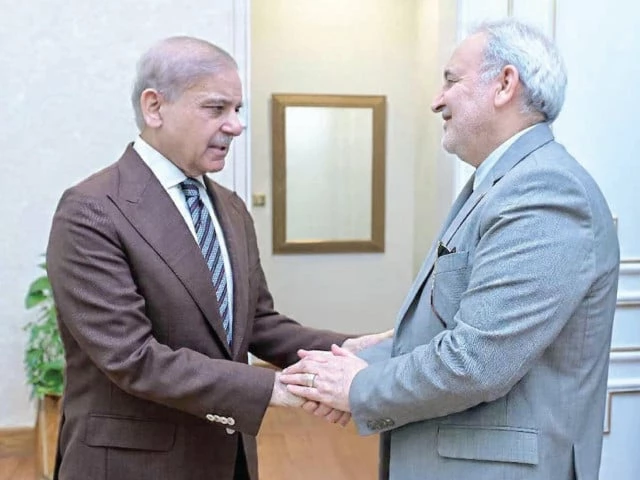
In an era where international relations are more critical than ever, the delicate dance between the United States and Iran has captured global attention. Recently, Iran’s ambassador to Pakistan, Dr. Reza Amiri Moghadam, met with Prime Minister Shehbaz Sharif in Islamabad, signaling an intense effort to navigate this complex situation. As the fate of the next round of negotiations hangs in the balance, what does this mean for the region?
During their meeting, both leaders focused on the evolving regional landscape and the ongoing peace efforts. While specific details from the encounter remain under wraps, it’s clear that Pakistan is working behind the scenes to revive the stalled US-Iran peace process. Diplomatic sources indicate that Islamabad has been facilitating discreet communications aimed at persuading Tehran to return to the dialogue table.
Despite the setback following Iran’s decision to opt out of the latest round of negotiations, there’s still hope. Thanks to Pakistan’s intervention, US President Donald Trump has agreed to extend a temporary ceasefire with Iran, allowing for a breathing space in which both nations can formulate their responses.
India, Afghanistan, and other regional players are keenly observing these developments. With heightened security in the capital and key routes sealed off, there’s an unmistakable sign that officials are preparing for potential high-level discussions.
British High Commissioner Jane Marriott lauded Pakistan’s efforts to act as a facilitator during a recent meeting with Deputy Prime Minister Ishaq Dar. The importance of dialogue and diplomacy for resolving conflicts was a recurring theme in their discussion, emphasizing Pakistan’s pivotal role in these delicate negotiations.
What does this all mean? For one, it demonstrates how essential diplomacy is in today’s world. Each handshake and conversation has the potential to shift the balance, highlighting Pakistan’s strategic importance in facilitating dialogue and ensuring regional stability.
As stakeholders sift through these complexities, the hope for a peaceful resolution remains. Your understanding of international relations can be enriched by following these developments, and if you’re looking to deepen your insight even further, connecting with platforms like Pro21st may be quite beneficial. Staying engaged in these conversations is key to understanding not just the political landscape but also the broader implications for global peace and stability.