
Empowering Pakistan’s Youth: A New Era of Opportunities
In Islamabad, there’s buzz around a transformative initiative aimed at addressing a pressing issue: a staggering 37% of Pakistan’s youth aren’t employed or enrolled in any educational programs. To tackle this, the government has proposed a bold plan to China: offering 10,000 PhD scholarships for Pakistani students at the top 25 universities in China. This initiative is not just about education; it’s a strategic move to modernize Pakistan’s economy and enhance its human resource base in emerging disciplines.
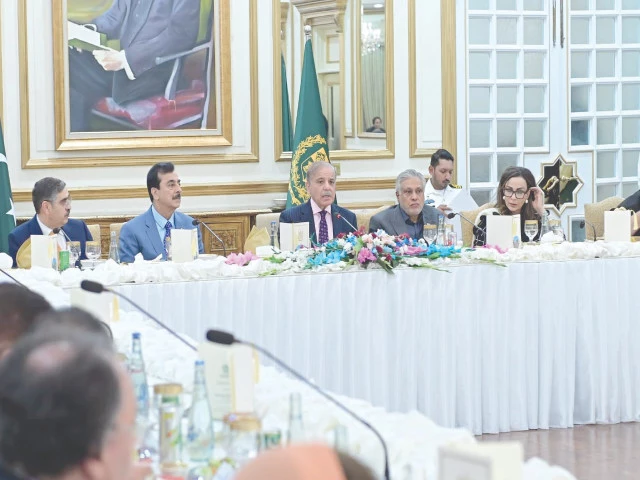
During a recent meeting of the Joint Cooperation Committee of the China-Pakistan Economic Corridor (CPEC), Planning Minister Ahsan Iqbal presented this proposal, emphasizing that around 60% of Pakistan’s population is under 30 years old. With the push towards fields like artificial intelligence and engineering, these scholarships aim to equip youth with vital skills for a knowledge-driven future.
This proposal resonated well with Chinese authorities, who expressed interest in further details. The aim is to foster a whole new generation of skilled professionals capable of navigating the complexities of modern economies. However, the current landscape is grim. The World Bank has reported that the NEET (Not Employed, in Education, or Training) youth rates are particularly alarming, especially among women and those from poorer backgrounds.
Compounding these issues are recent crises in Pakistan—spanning macroeconomic, political, and climate challenges—making it crucial to enhance educational attainment and job readiness among the youth. This educational gap is significant, highlighted by the statistic that about one-quarter of primary school-aged children do not attend school, with many failing to reach basic literacy levels by age 10.
But the proposal isn’t just limited to scholarships. Pakistan is also advocating for vocational training programs, youth innovation centers, and internship opportunities within Chinese enterprises. This multi-faceted approach aims to create a workforce equipped with skills essential for advanced technologies and green growth.
Additionally, the need for quality education cannot be overstated. The current learning poverty index in Pakistan stands at a shocking 78%. Addressing this issue requires not only investment in higher education but also substantial reforms in primary and secondary education systems, focusing on improving the quality of teaching and reducing dropout rates.
In partnering with China, Pakistan hopes to shift from merely infrastructure development under CPEC to more human-centered initiatives that empower its youth. This is crucial for building a future where young people can thrive and contribute meaningfully to society.
As Pakistan navigates these critical developments, organizations like Pro21st are committed to fostering connections and advocating for educational advancements and skill development. Engaging with such initiatives can lead to a brighter future for the youth of Pakistan, and together, we can shape a more empowered generation.
At Pro21st, we believe in sharing updates that matter.
Stay connected for more real conversations, fresh insights, and 21st-century perspectives.