
Pakistan’s Economic Outlook: A Shift Towards Growth and Stability
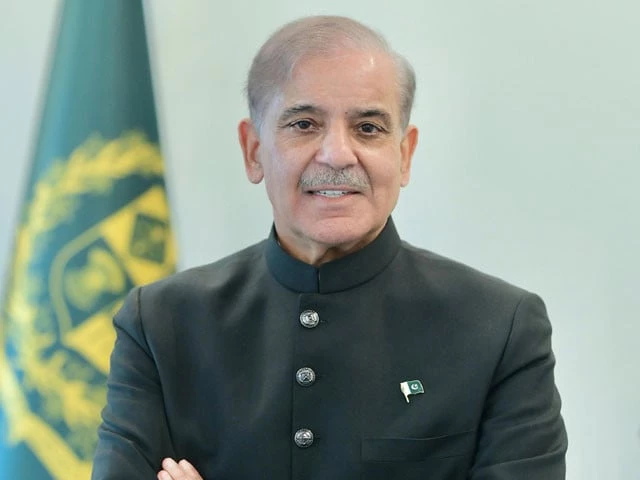
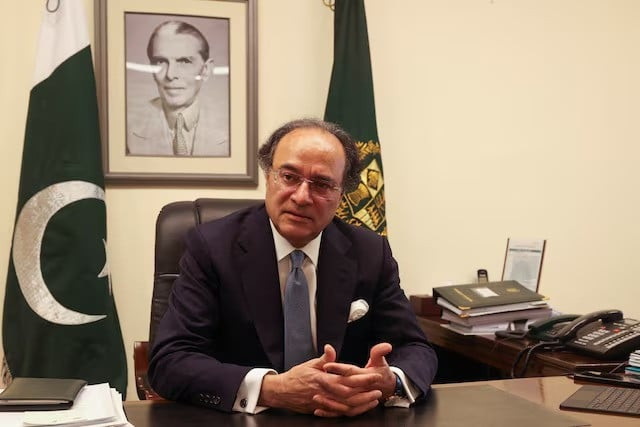
Pakistan’s financial landscape is transforming, and Federal Finance Minister Muhammad Aurangzeb is at the forefront of this positive shift. During a recent interview with CNN business Arabia, Aurangzeb emphasized that Pakistan’s future hinges not on aid but on robust partnerships focused on trade and investment.
One of the standout achievements mentioned by Aurangzeb is the remarkable growth in remittances, which are set to increase from last year’s $38 billion to an estimated $41 billion this year. This surge highlights the crucial role that overseas Pakistanis play in supporting the economy, particularly from Gulf Cooperation Council (GCC) countries.
In the past 18 months, Pakistan has rolled out an extensive economic stabilization program that has led to noticeable progress. Inflation, which once soared to a staggering 38%, has now dipped into single digits. This decline, along with achieving primary surpluses and maintaining the current account deficit within established targets, showcases a strengthening economic environment. Moreover, foreign exchange reserves have improved significantly, covering approximately two and a half months’ worth of imports.
Aurangzeb pointed out that the international community is taking notice. All three major credit rating agencies have upgraded Pakistan’s economic outlook this year, reflecting a growing confidence in the reforms being adopted. Notably, the International Monetary Fund (IMF) has approved the second review under the Extended Fund Facility, signaling that the country is on the right path.
A critical component of this economic transformation involves comprehensive tax reforms. Aurangzeb highlighted that Pakistan’s tax-to-GDP ratio has risen from 8.8% to 10.3%, with goals set to reach 11%. The government aims to forge a tax system that fosters fiscal self-reliance. By integrating traditionally undertaxed sectors, such as agriculture and real estate, into the tax net and employing technology to curtail tax evasion, Pakistan is positioning itself for sustainable growth.
Energy sector reforms are also high on the agenda. Aurangzeb emphasized the necessity of tariff reforms to enhance the competitiveness of energy for industries, which is essential for stimulating economic activity. Additionally, measures to improve governance in distribution companies and reduce circular debt—a long-standing issue—are being prioritized.
It’s worth mentioning the unwavering support that Pakistan receives from GCC countries like Saudi Arabia, the UAE, and Qatar. This relationship is transitioning towards a more trade-oriented focus, aiming to foster investment in critical sectors such as energy, digital infrastructure, and agriculture.
With all these efforts in place, Aurangzeb exudes optimism about ongoing negotiations for a free trade agreement with the GCC, noting that they are nearing completion.
This economic renewal might not only enhance Pakistan’s growth prospects but also create shared benefits for both local and international stakeholders. If you’re interested in further engaging with these developments or exploring opportunities in Pakistan’s evolving market, consider checking out Pro21st, where we delve deeper into transformative economic trends and partnerships.
At Pro21st, we believe in sharing updates that matter.
Stay connected for more real conversations, fresh insights, and 21st-century perspectives.