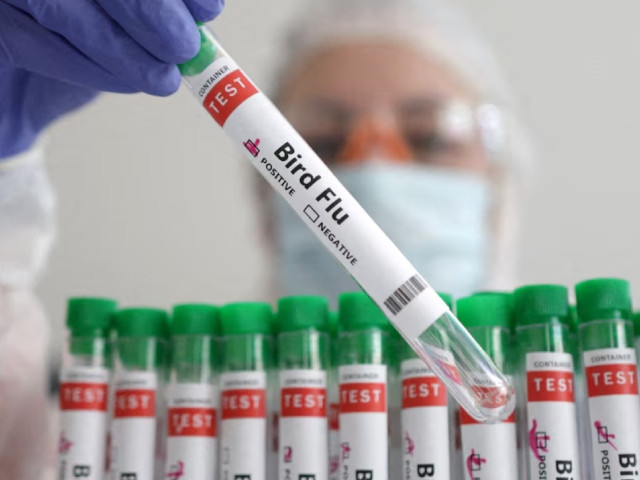

The Silent Threat of Avian Influenza: A Wake-Up Call for Pakistan
As the global spread of Highly Pathogenic Avian Influenza A (HPAI H5) continues to raise alarms, the situation in Pakistan is particularly concerning. With rising wildlife mortality and increasing interactions between humans and wildlife, experts warn that the lack of coordinated surveillance could have dire consequences for both public health and biodiversity.
HPAI H5 isn’t just a bird issue; it has implications for the entire ecosystem, linking animal health directly to human health through an approach known as One Health. This concept highlights the interconnectedness of wildlife, livestock, and human populations. Unfortunately, Pakistan’s response to this mounting threat is alarmingly insufficient. Dr. Zulfiqar Ali, head of the Department of Zoology at Punjab University, has highlighted the country’s critical gaps in surveillance and diagnostics.
Currently, disease monitoring is primarily focused on the poultry sector, leaving wildlife largely unmonitored. This gap poses a significant risk for disease transmission across species, especially given Pakistan’s location along major migratory bird routes. The absence of specialized laboratories and trained health experts means timely detection and reporting of diseases remain nearly impossible.
The impact of HPAI isn’t hypothetical; Europe has recorded an uptick in cases during bird migration seasons, with tens of thousands of dead birds found. Such events don’t just disrupt ecosystems; they can drastically affect food supply, increasing meat prices and threatening food security. Moreover, limited human cases have already emerged, raising the stakes further.
Former veterinary officer Dr. Babar Saleem emphasizes the need for increased vigilance. Migratory birds are key carriers, and their movements can introduce the virus across continents, complicating efforts to contain it. Without effective treatments or vaccines, drastic measures like culling infected poultry become the only line of defense.
For Pakistan, the urgency to establish robust wildlife health governance and responsive surveillance systems cannot be overstated. As experts point out, without immediate investment in these areas, the country will remain at high risk, jeopardizing both public health and wildlife.
As stewards of our environment and public health, it’s essential for communities, policymakers, and organizations to come together and advocate for stronger health frameworks. If you’re interested in staying informed about wildlife health and community engagement, connect with us at Pro21st. Together, we can work towards a healthier future for people and wildlife alike.
At Pro21st, we believe in sharing updates that matter.
Stay connected for more real conversations, fresh insights, and 21st-century perspectives.