
The Legal Landscape: Understanding Protective Bail in Pakistan
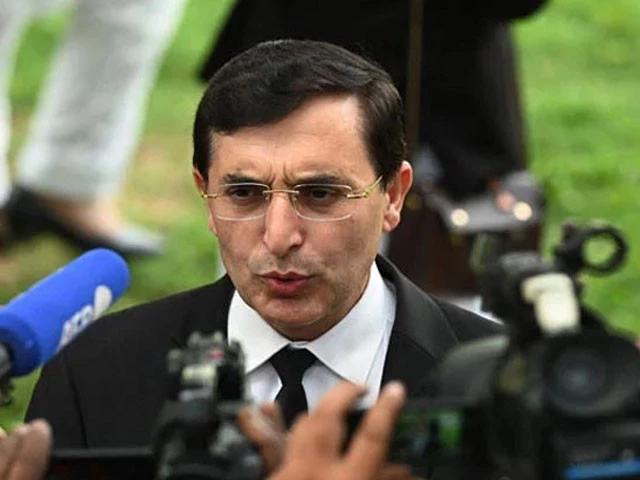
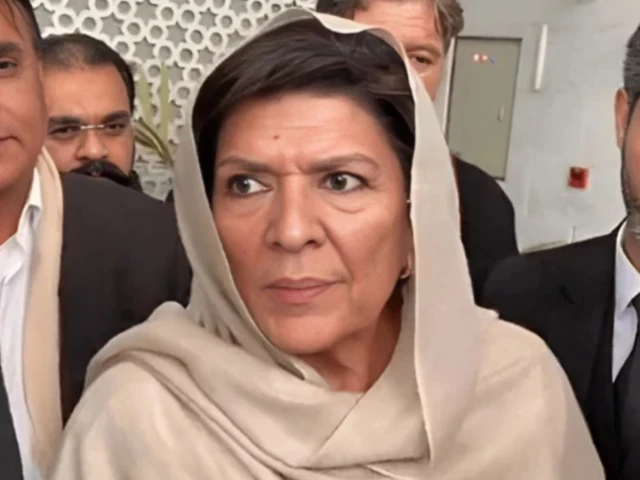
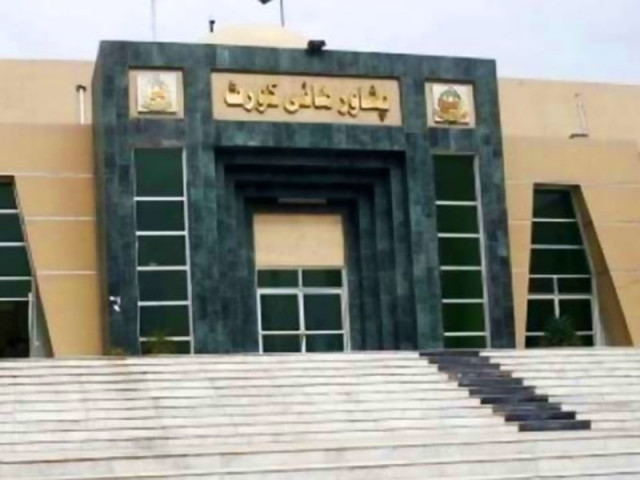
Navigating the intricacies of the legal system can often feel overwhelming, especially when high-profile figures become involved. Recently, the Peshawar High Court (PHC) addressed important petitions from major Pakistan Tehreek-e-Insaf (PTI) leaders, including the Khyber Pakhtunkhwa Chief Minister Sohail Afridi and MNA Asad Qaiser, who sought protective bail amid ongoing investigations.
The heart of the matter revolves around the balance between individual rights and the integrity of investigations. The petitions aimed to secure protective bail and gain insights into the charges filed against them. Their legal representatives articulated a crucial point: everyone deserves to know the allegations weighing against them. As Advocate Babar Asif declared, "cases have been registered against the petitioners, details should be provided."
However, the prosecution raised valid concerns about potential abuses of the bail system. The prosecutor general highlighted that some petitioners had sought protective bail multiple times, arguing this practice hampered ongoing investigations. Justice Syed Arshad Ali and his colleague Justice Faheem Wali questioned the prosecution’s data management, pressing for clarity on the number of FIRs (First Information Reports) registered against the petitioners.
One notable moment in the proceedings occurred when Justice Ali pointedly asked the prosecutor general how many FIRs existed. The lack of complete data from the prosecution put into perspective the complexity of these cases. It highlighted an essential aspect of the judicial process—access to accurate and timely information is crucial for both defendants and the court.
Advocate Bashir Wazir represented the Chief Minister, expressing frustration over the procedural obstacles. He described situations where investigators were uncooperative in providing necessary documentation, a barrier that complicates compliance with legal requirements. This sentiment was echoed by Barrister Waqar, who was advocating for Asad Qaiser, emphasizing a willingness to engage in the investigation as soon as clarity about any charges was provided.
In response to the nested issues of jurisdiction and procedural fairness, Justice Ali pointed out the court’s limitations regarding provincial matters. He urged petitioners to approach courts closer to their respective jurisdictions for further details. This practical approach underscores the need for cooperation across different levels of the judicial system.
As the arguments unfolded, the prosecution suggested forming a larger bench to tackle these complex issues. Yet, there was disagreement from some legal representatives, indicating that not all believed this case warranted such extensive deliberation.
Ultimately, the PHC reserved its decision, leaving everyone awaiting the court’s ruling. This instance underscores a broader narrative in Pakistani politics and law, where legal challenges intersect with the dynamics of governance and public perception.
Legal battles, especially those involving significant political figures, often draw public attention. The unfolding events remind us that legal systems must navigate the delicate balance between justice, transparency, and the rights of individuals. For those looking to better understand their rights or delve deeper into legal matters, connecting with platforms like Pro21st could offer invaluable insights and assistance. Engaging in informed discussions can help demystify these complex processes and empower individuals in understanding their legal standing.
At Pro21st, we believe in sharing updates that matter.
Stay connected for more real conversations, fresh insights, and 21st-century perspectives.