
Understanding Pakistan’s Economic Road Ahead: IMF Agreement Insights
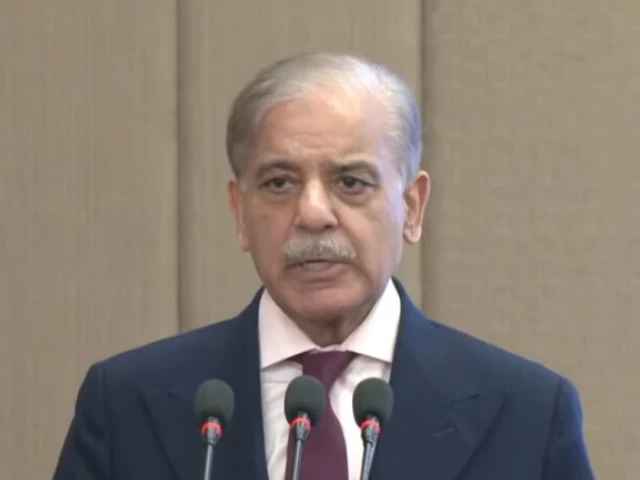
On August 12, 2025, Prime Minister Shehbaz Sharif made headlines while addressing a ceremony in Islamabad for International Youth Day. He confirmed a significant staff-level agreement with the International Monetary Fund (IMF), which paves the way for a much-anticipated $1.2 billion disbursement. This development is not just a financial transaction; it symbolizes hope for many Pakistanis as the Prime Minister expressed a desire for it to be the last bailout of such kind for the country.
Chairing a cabinet meeting, Sharif emphasized the urgent need for Pakistan to “free ourselves from the burden of debt.” His message was clear: achieving economic stability through hard work is crucial for national independence and restoring dignity. He argued that as Pakistan strengthens its economic position, it will also enhance its global standing, allowing for greater respect and influence.
The IMF’s commitment to releasing the $1.2 billion comes after Pakistan agreed to revisit its pre-flood budgetary targets and ensure the publication of a governance report before the board convenes. This agreement is vital, as it grants Pakistan access to a total of $3.1 billion under the Extended Fund Facility (EFF) and the Rapid Service Facility (RSF) in the coming months.
Negotiations leading to this agreement were tense, lasting over three weeks. One of the sticking points was the unfinalized fiscal numbers reflecting the recent floods’ impact on the economy. The IMF has projected Pakistan’s growth rate at 3.6% for the current fiscal year; however, this figure does not yet fully account for the ongoing assessment of flood damages.
Interestingly, while the government initially aimed for a more ambitious growth of 4.2%, it has since revised this figure down to about 3.5%. The World Bank’s outlook is even more conservative, predicting growth at just 2.6%. These downward adjustments highlight the economic headwinds the country faces, especially in the agricultural sector, which has been severely affected by the floods.
The harsh reality is that these environmental disasters have substantial implications for inflation, budget deficits, and the overall economy. With agricultural losses directly impacting livelihoods, the path to recovery will require not just monetary support but also strategic planning and community resilience.
In conclusion, while the IMF’s agreement brings much-needed financial relief, it also reflects the critical juncture at which Pakistan stands. As the government pushes for economic reform and growth, the real challenge will be turning hope into tangible actions that benefit all citizens. If you want to learn more about how national policy impacts personal finance or explore economic topics further, consider connecting with platforms like Pro21st. They can offer resources and insights to enhance your understanding of these complex issues.
At Pro21st, we believe in sharing updates that matter.
Stay connected for more real conversations, fresh insights, and 21st-century perspectives.