
The 27th Amendment: A Tale of Dissent and Division in Pakistani Politics
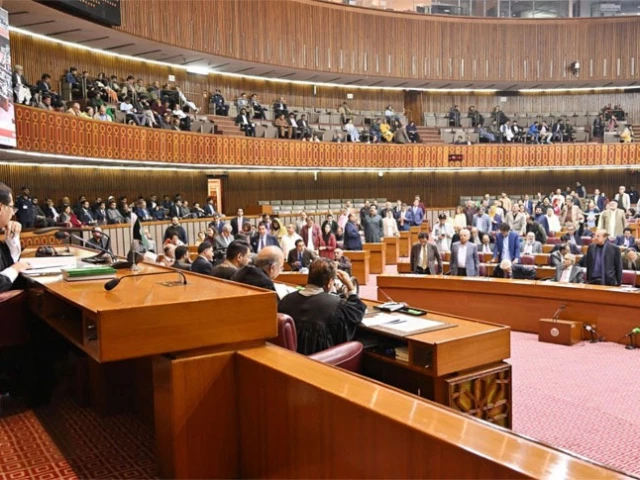
The recent passage of the 27th Constitution (Amendment) Bill, 2025, has sparked significant debate within Pakistan’s political circles, particularly between two key parties: the Pakistan Peoples Party (PPP) and the Pakistan Muslim League-Nawaz (PML-N). What’s fascinating is how these parties, once united in their opposition to former regimes, are now navigating a turbulent landscape filled with dissent and confusion.
While the PML-N appears to be moving forward with substantial support for the amendment, their internal dialogue seems to be lacking. Numerous leaders within the party have admitted they’re not entirely clear on the specifics but are willing to back whatever leadership decides, citing “trust” as their primary motivation. This raises questions about the democratic processes within the PML-N—are they simply following orders without comprehension?
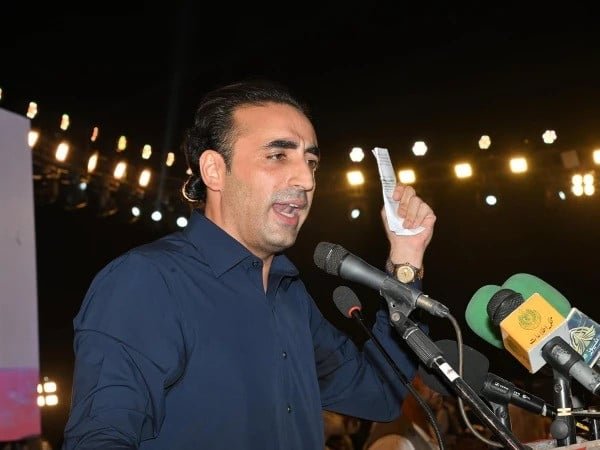
In sharp contrast, PPP leaders are voicing their concerns about the amendment. For many, this betrayal feels deeply personal, as one leader described it as “rubbing salt on the wounds.” Unlike their counterparts, the PPP has made an effort to engage its membership. Following the initial revelations from Chairman Bilawal Bhutto-Zardari, the party convened a Central Executive Committee meeting, prioritizing transparency—something clearly missing in the PML-N’s approach.
Adding another layer to the political narrative, two anonymous PML-N leaders expressed their wariness about the compromises their party is making. They acknowledged the harsh political climate and lamented that they had no choice but to adapt. Their sentiments reflect a growing frustration within the party, as members grapple with the implications of the 26th and 27th Amendments on Pakistan’s core institutions.
The PPP’s internal strife is equally revealing. Two leaders openly criticized their leadership for supporting the amendment, claiming it could tarnish the party’s reputation irreparably. A sentiment echoed by those feeling trapped between loyalty to the party and moral outrage over the current political dynamics. The struggle for integrity within these parties illustrates the complexities of allegiance, power, and the overarching influence of external pressures—particularly from the establishment.
What’s clear is that both parties are at a crossroads, navigating a landscape filled with difficult choices. The contrasting reactions underscore a vital aspect of political life in Pakistan: the balance between power and principle. As we keep a close eye on how these developments unfold, it’s essential to reflect on the implications for governance and democracy in the region.
For those looking to dive deeper into political analysis or learn about the shifting dynamics of power in South Asia, engaging with insightful platforms like Pro21st can offer valuable perspectives. Your understanding of these complex issues expands when we discuss and share experiences together. Feel free to explore more!
At Pro21st, we believe in sharing updates that matter.
Stay connected for more real conversations, fresh insights, and 21st-century perspectives.