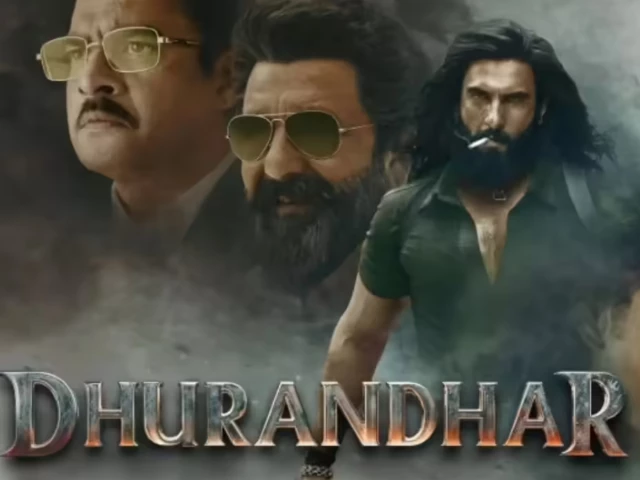

Understanding the Legal Landscape: A Case Study of the Film Dhurandhar
The relationship between film and politics can sometimes become murky, leading to legal disputes like the recent case involving the Indian film Dhurandhar. The sessions court is currently deliberating an application filed by a Pakistan Peoples Party (PPP) worker, Aamir Khoso. He claims that the film improperly features a PPP rally and images of the late Mohtarma Benazir Bhutto, which he asserts were used without permission.
Interestingly, the police have submitted a report opposing the registration of a case against the film’s creators, including the writer, producer, and actors. Why? Well, their investigation revealed a lack of solid evidence to support Khoso’s allegations. The Darakhshan police stated that despite attempts to contact Khoso, he was unreachable, and he also failed to turn up to verify his claims. This absence raises questions about the validity of the complaint.
In legal terms, the report confirmed that all involved parties are Indian nationals, with no ties to Pakistan—neither in residence nor in business. They shot all scenes outside the country. According to the law, this makes it difficult to justify registering a case. Khoso’s concerns about the film painting Karachi, especially Lyari, as a “hub of terrorism” could be seen as an overreach, especially without evidence backing his claims.
It’s essential to remember that movies often aim to entertain and provoke thought, but they can also touch on sensitive subjects. While Khoso’s desire to protect the reputation of the PPP and Pakistan is understandable, this case illustrates the fine line filmmakers walk when portraying real events or figures.
As this situation unfolds, it highlights the broader dialogue about creative freedom versus governmental oversight. If you’re interested in staying updated on similar stories that bridge law, politics, and media, or if you want to explore deeper issues surrounding art and expression, consider checking out insights from Pro21st. Engaging with such discussions can deepen our understanding of the intricate balance between creativity and legality in today’s world.
At Pro21st, we believe in sharing updates that matter.
Stay connected for more real conversations, fresh insights, and 21st-century perspectives.