
Understanding Telecom Tariff Increases in Pakistan
Have you noticed your mobile phone bills creeping up lately? You’re not alone. According to the Pakistan Telecommunication Authority (PTA), there are several reasons behind the increase in retail tariffs for mobile services from 2021 to 2024. The PTA cites inflation, skyrocketing fuel prices, and the devaluation of the rupee as major factors impacting these costs.
The Numbers Behind the Increase
From March 2021 to May 2024, fuel prices surged by an astonishing 158%. Inflation shot up by 83%. Additionally, the rupee’s value against the dollar decreased by 44%. To compound the issue, the policy rate increased by 214%, amplifying the financial strain on telecom operators. These statistics paint a clear picture: the cost of doing business in Pakistan has risen significantly, and telecom companies are feeling the pinch.
A Lawmaker’s Concerns
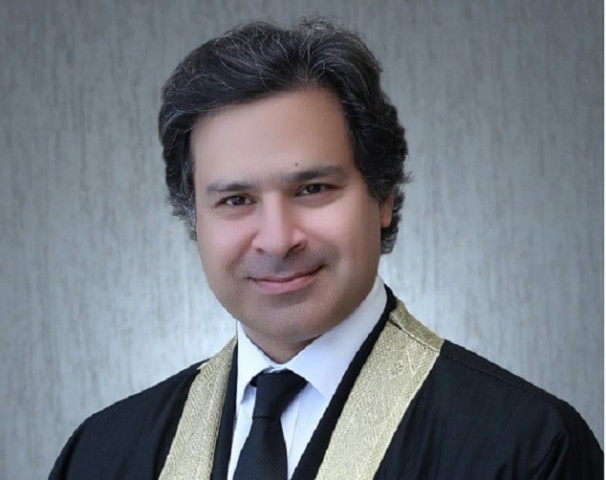
Recently, PPP MPA Muhammad Asif raised concerns in the Sindh Assembly regarding not just the rising costs of mobile packages but also the declining network performance in Karachi and other parts of Sindh. It’s crucial to highlight these issues, as reliable mobile service is essential for communication in today’s fast-paced world.
PTA’s Justification and Response
In response to the concerns raised, the PTA confirmed that they only regulate the tariffs of "dominant operators"—specifically Jazz and Telenor. Other smaller players in the telecom market can set their prices independently, which can lead to pricing disparities across various service providers.
Moreover, the PTA is taking steps to improve telecommunication services. They’re conducting quality surveys and expanding their network by increasing the number of base transceiver stations (BTS), which are essential for mobile connectivity. Currently, there are 245 towers in Punjab, 105 in Sindh, and additional towers scattered across Khyber-Pakhtunkhwa and Balochistan.
Areas Still Facing Challenges
Yet, not everything is rosy. Certain regions still encounter network problems due to prolonged power outages, limited commercial power access, and logistical delays like securing right-of-way for construction. Vandalism and theft of infrastructure pose further challenges, impacting about 17% of BTS sites.
While the PTA assures that the quality of service has improved, especially along major highways such as M-9, there are still kinks to work out. Areas still under construction, like the Hyderabad-Sukkur section, will receive attention once completed.
Conclusion
The workings of telecommunications in Pakistan are intricate, influenced by economic factors and regulatory frameworks. As users, it’s essential to stay informed about these changes and advocate for better services. For more insights and updates on telecommunications and other critical topics, consider exploring resources like Pro21st, where we strive to keep you connected and informed.
At Pro21st, we believe in sharing updates that matter.
Stay connected for more real conversations, fresh insights, and 21st-century perspectives.