
Navigating Tensions in Pakistan: A Call for Dialogue and Humility
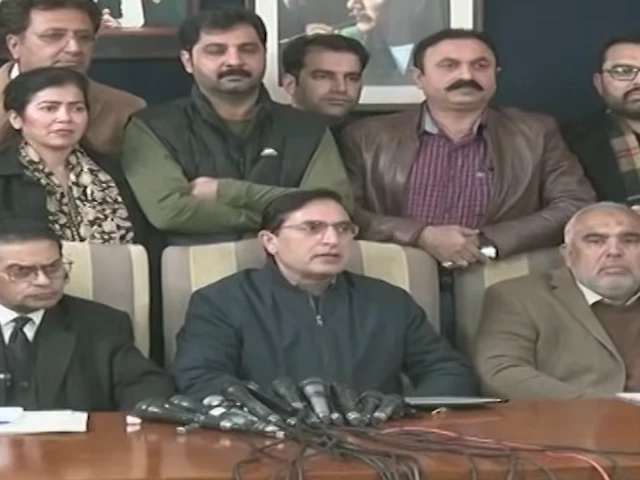
In a recent press conference in Islamabad, Barrister Gohar Ali Khan, the Chairman of Pakistan Tehreek-e-Insaf (PTI), expressed deep disappointment over remarks made by the Pakistan Army spokesperson, labeling them as inappropriate and harmful to democracy. This situation encapsulates the growing tensions between political parties and state institutions, highlighting the urgent need for constructive dialogue.
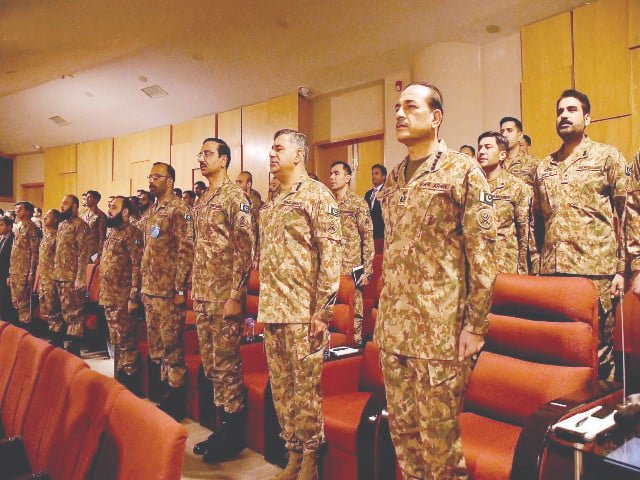
Gohar’s statement came after Lt Gen Ahmed Sharif Chaudhry referred to Imran Khan, the former Prime Minister and PTI leader, as a "threat to national security." In his response, Gohar emphasized that PTI harbors no intentions to escalate these tensions. Instead, he urged the need for humility and space for dialogue, remarking, “Some people want fights. We do not. We want dialogue, humility, and space.”
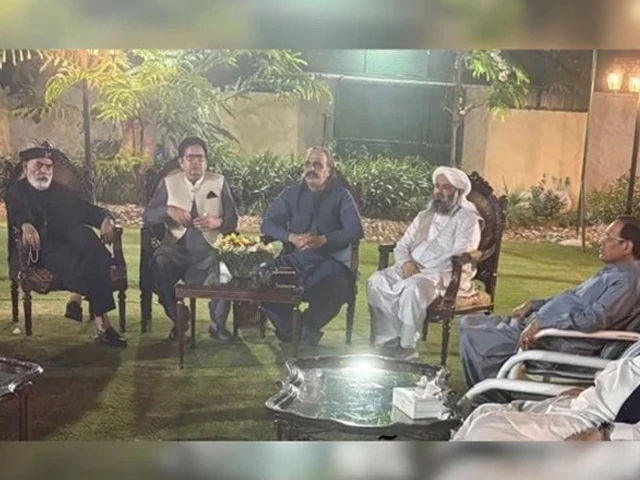
Throughout the press conference, PTI leaders echoed a desire for peace rather than confrontation. Gohar made it clear that despite serious allegations swirling around them, PTI aims to respond with calm, not aggression. He articulated a critical shift in their narrative, noting a transition from demanding the release of Imran Khan to simply wanting the opportunity to meet him.
The political landscape in Pakistan is fraught with complexity. Historical grievances, such as the restriction of seats in the assembly and allegations of coercive political measures, have created a sense of frustration among political leaders and supporters alike. Gohar expressed concerns that “any destruction begins with the utterance of a few inappropriate words.” This sentiment resonates deeply, especially in a country striving for democratic norms.
As PTI leaders, including Salman Akram Raja and Asad Qaiser, echoed similar feelings, they highlighted the need to bridge gaps rather than create deeper divides. Raja pointed out that every time authoritarianism has reared its head, Pakistan has emerged weaker, reminding everyone of the sacrifices made by the country’s security forces.
Moreover, Qaiser vehemently defended Imran Khan against labels of being a security risk, arguing that such remarks can only deepen resentment, especially in regions like Khyber Pakhtunkhwa. By advocating for democracy and a unified front, PTI leaders are not just speaking for their party; they are voicing hopes for a stable and prosperous Pakistan.
As tensions continue to simmer, it’s crucial for all parties involved to prioritize dialogue over hostility. The message from Gohar and his team is clear: the path forward lies in humility and communication. In an era where political polarization is rampant, fostering an environment of respect and understanding is paramount.
To stay informed and engaged as these developments unfold, consider connecting with platforms like Pro21st, which focus on enriching the discourse around such critical issues.
At Pro21st, we believe in sharing updates that matter.
Stay connected for more real conversations, fresh insights, and 21st-century perspectives.