
Reviving Political Dialogue in Pakistan: A Call for Flexibility
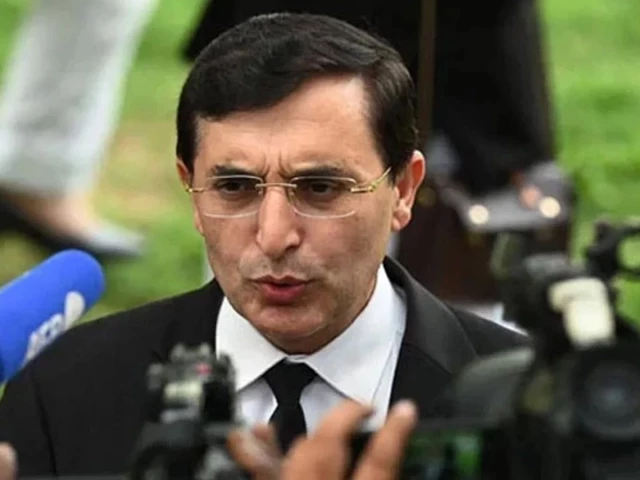
The political landscape in Pakistan is buzzing with discussions, especially after Barrister Gohar Ali Khan, the Chairman of Pakistan Tehreek-e-Insaf (PTI), voiced his concerns about the current stagnation within the political system. His recent comments at the Dahgal checkpoint near Adiala Jail highlight the urgent need for dialogue among political parties. Gohar emphasizes that, without a willingness to engage, 2026 could become a year marked by increased tensions and challenges.
Gohar’s frustration is palpable. He notes that PTI leaders make a weekly pilgrimage to visit their jailed party founders but often return thwarted, denied the crucial meetings they request. This recurring scenario isn’t just a logistical issue; it’s indicative of deeper political rifts. Gohar suggests that the responsibility for these impasses doesn’t rest solely on the opposition. Even within PTI, the dynamics are complex, where internal conversations about strategy and engagement seem to be lacking.
The overarching theme in Gohar’s remarks is the importance of compassion and understanding in governance. He pleads with those in power to prioritize the well-being of the country over political grudges: "Negotiations have no alternative," he urges. His call for heartfelt discussions resonates deeply, especially during these tumultuous times when political divisions can rip apart the social fabric of any nation.
Amidst these challenges, PTI Secretary General Salman Akram Raja echoed similar sentiments, arguing that an environment conducive to negotiations is sorely missing. The repetitive cycle of superficial dialogues leads to little action. Raja highlights how the essence of negotiations should be rooted in genuine engagement, not mere formality.
And let’s not forget the human element in all this. The inability of Imran Khan’s family to meet him sheds light on serious human rights issues that can’t be overlooked. Raja compellingly argues that confinement without familial support is a violation of fundamental rights.
Indeed, the situation is multilayered. Noreen Khan, Imran Khan’s sister, adds another layer of urgency by pointing out how suppressive tactics, like blocking roads and targeting party members, only intensify public mobilization. Her words suggest that the government fears the power of the people, which is a crucial aspect of any democratic process.
The police action against the PTI sit-in near Adiala Jail further illustrates the struggles of political expression in Pakistan today. As party members and supporters gathered to show solidarity with the Khan family, it’s a reminder of the democratic right to protest and the public’s determination to voice their concerns.
In a landscape where political conversations seem stifled, the call for flexibility and genuine dialogue becomes even more significant. As Gohar and his team emphasize, constructive conversations could pave the way for a more stable political environment beneficial for all.
If you’re interested in more insights and updates on political movements and dialogues in Pakistan, consider connecting with platforms that advocate for transparency and engagement, like Pro21st. Together, we can foster a more informed and active community ready to tackle our political challenges head-on.
At Pro21st, we believe in sharing updates that matter.
Stay connected for more real conversations, fresh insights, and 21st-century perspectives.