
The Growing Tensions Around PTI: What’s Happening in Pakistan?
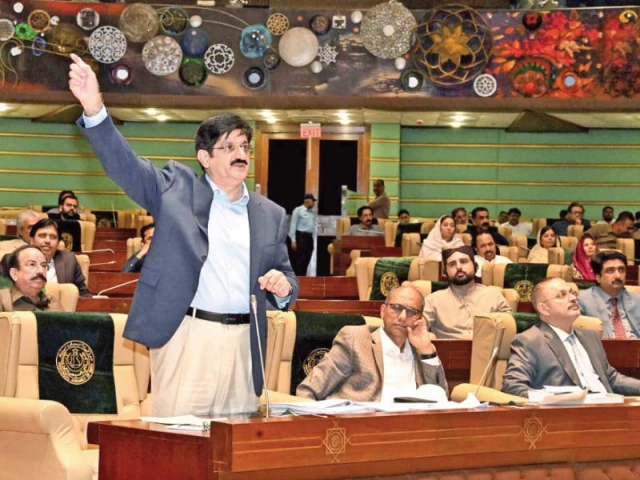
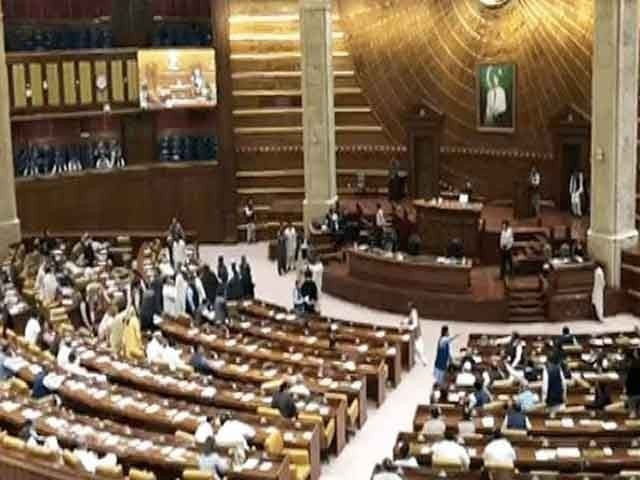
In recent days, the political atmosphere in Pakistan has taken a decidedly tense turn, especially concerning the Pakistan Tehreek-e-Insaf (PTI) party. The Punjab Assembly has moved forward with a resolution that seeks to impose a ban on PTI and its leader, Imran Khan, which is quite a significant development. This resolution accuses them of undermining national stability and aligning with adversaries, raising eyebrows and concerns about the current state of democracy in the country.
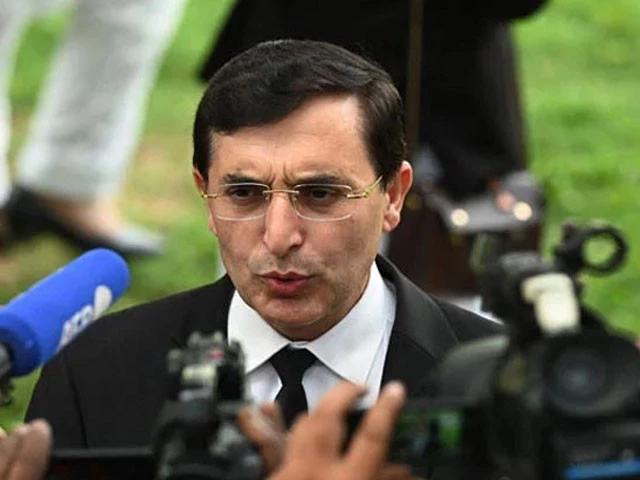
The situation escalated further when Information Minister Azma Bokhari hinted that the options for dealing with PTI might be narrowing down to more drastic measures. During a press conference, she mentioned that the government’s patience is running thin as security conditions in Khyber Pakhtunkhwa deteriorate, claiming that the PTI-led province is grappling with rising terrorism and inadequate law enforcement. It’s a real concern, as citizens want to feel safe and secure in their own land.
What’s more alarming is the comparison drawn between Imran Khan and Altaf Hussain, whose speeches were silenced years ago due to their controversial nature. The parallels being drawn suggest a growing consensus among government officials that PTI’s political rhetoric has crossed a line into a territory that could put national security at risk. When political discourse begins to threaten stability, it raises critical questions about where to draw the line.
With accusations flying from government ministers, alleging that PTI’s actions mirror sentiments echoed by hostile foreign entities, many are now questioning the essence of political opposition in a democracy. Are we witnessing a crackdown on dissent, or is it a justified response to actions that compromise the state’s integrity?
Amid this turmoil, it’s essential to engage in constructive dialogue, aiming for solutions that benefit the citizens rather than exacerbate existing divides. While the government stresses the importance of law and order, the opposition cries out for its right to exist and operate freely.
For those keen on understanding the complexities of Pakistan’s current political landscape, staying informed is crucial. Engaging in discussions and connecting with platforms that dissect these issues is a step toward better comprehension and active participation. Pro21st, for example, serves as a resourceful hub for such discussions, encouraging insightful dialogues on pressing matters affecting Pakistan today.
At Pro21st, we believe in sharing updates that matter.
Stay connected for more real conversations, fresh insights, and 21st-century perspectives.