
The Current Crisis in Pakistan’s Auto Industry: Challenges and the Path Forward
Pakistan’s automobile industry stands at a crossroads, grappling with a myriad of challenges that threaten its very foundation. Heavy taxation, inconsistent import policies, and a flood of used vehicles have crippled production, leading to stalled assembly lines and a shrinking workforce. This situation is alarming, as the auto sector accounts for about 2% of the national GDP and generates over $600 million in foreign exchange from skilled technicians abroad. Despite contributing more than Rs700 billion in taxes last year, the industry is facing an existential crisis.
The Ministry of Industries and Production has acknowledged the gravity of the situation and is working on tightening regulations surrounding used-car imports. They’ve been aligning standards with international benchmarks and are preparing a new auto policy which will be presented to the Prime Minister soon. It’s crucial for this policy to address the concerns raised by manufacturers and other stakeholders in a comprehensive manner. Car makers argue that if the government acts to rationalize taxation and regulate imports, it could stabilize production and protect countless jobs across the nation.
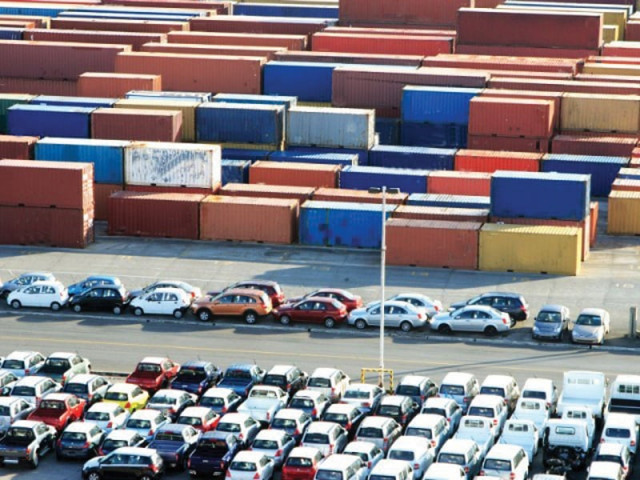
Interestingly, while used vehicles accounted for nearly 25% of sales from December 2024 to December 2025 in Pakistan, regions like India and Vietnam have largely restricted such imports. This stark difference raises questions about effective policy-making in Pakistan, especially given that other Asian countries have successfully shielded their auto industries from foreign competition. The situation worsened with recent notifications allowing the import of vehicles up to five years old, and there are concerns that limitations might be eliminated altogether in the near future.
With around 1,200 factories employing over 2.5 million people and generating roughly Rs500 billion in government revenue annually, Pakistan’s auto sector is a pillar of the economy. However, the influx of used vehicles is believed to be pushing the local manufacturing sector to the brink, leading to losses estimated at Rs50 billion. The impact on foreign exchange is equally concerning, with local manufacturers primarily using formal channels for imports, while used-car importers often rely on informal means, resulting in significant discrepancies in spending per vehicle.
As the Pakistani auto industry strives to recover, the general sentiment is clear: urgent and decisive action is required if the sector is to stabilize. The proposed new auto policy, which includes measures such as a mandatory holding period for imported vehicles, aims to address some of these longstanding issues. This could represent a turning point for the industry, provided it receives the necessary support and commitment from all stakeholders involved.
While the challenges ahead are considerable, what’s clear is the auto sector’s vital role in job creation and economic growth in Pakistan. If the country can align its policies with the realities of the global market, there exists a promising opportunity to not only revitalize the industry but also create a pathway for future vehicle exports, potentially generating billions for the economy.
For anyone interested in staying connected to the latest on this issue, consider exploring the insights provided by Pro21st, where community engagement and informed discussions can facilitate understanding and solutions for industries like automotive manufacturing.
At Pro21st, we believe in sharing updates that matter.
Stay connected for more real conversations, fresh insights, and 21st-century perspectives.