
Political Turmoil in Pakistan: A Dive into Recent Developments
The political landscape in Pakistan has always been dynamic, and recent events have only added to the excitement—and anxiety—of the current climate. Recently, leaders from the ruling coalition have voiced strong criticisms against the Pakistan Tehreek-e-Insaf (PTI) party, particularly targeting former Prime Minister Imran Khan. The remarks from military spokespersons describing Khan as a "narcissist" and "mentally ill" have prompted a wave of reactions from various political leaders.
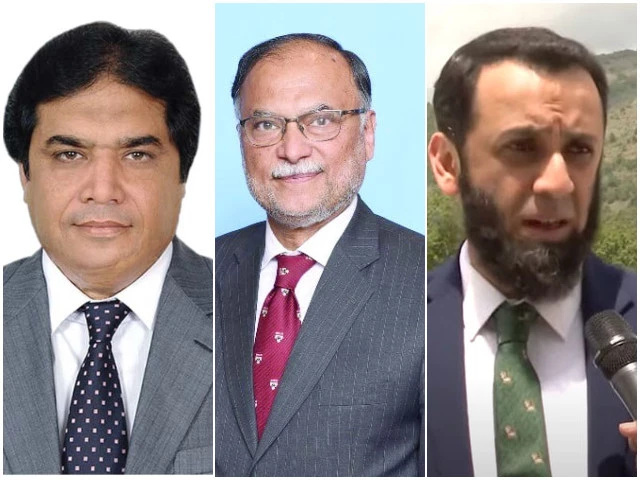
Planning Minister Ahsan Iqbal took to social media, condemning Khan’s rhetoric as "deeply irresponsible." He emphasized that while political differences are natural in a democracy, any narrative that undermines national institutions is dangerous. Iqbal believes that such divisive politics weaken national cohesion and erode trust in the very institutions that protect the country.
Similarly, the Minister for Railways, Hanif Abbasi, voiced his frustration regarding the PTI’s approach. He mentioned that the ongoing campaign against the military is intolerable and indicated that decisive action would soon be taken regarding political stability in Khyber Pakhtunkhwa, where the PTI has held power for over a decade with no major development to show for it.
Minister for Information Attaullah Tarar was equally vocal, labeling Khan as "mentally unstable" and criticizing PTI for failing to execute significant projects in Khyber Pakhtunkhwa. He contrasted their governance with the achievements of the PML-N, highlighting completed development works in Punjab.
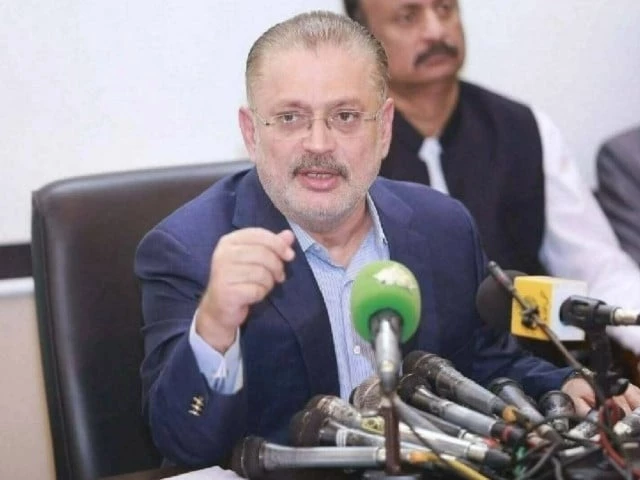
Moreover, the MQM-P chairman, Khalid Maqbool Siddiqui, articulated broader concerns about the PTI’s deviation from traditional political practices. According to him, the focus should be on national unity, especially in times of crisis. He highlighted that despite varied political opinions, all parties should aim to bolster the armed forces rather than create discord.
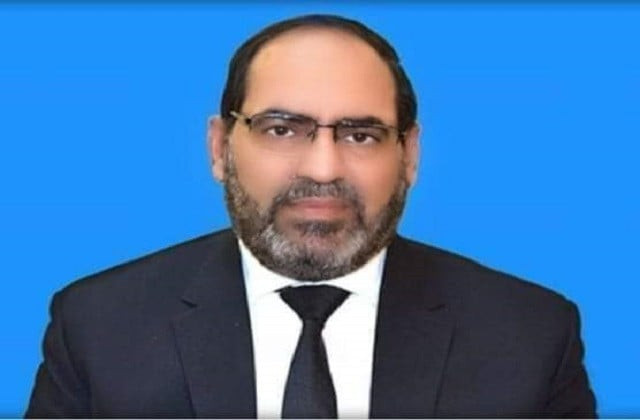
Balochistan’s Chief Minister, Sarfraz Bugti, also voiced his disapproval, urging political leaders to prioritize the nation’s stability over party politics. He condemned the spread of false narratives that harm the integrity of the Pakistan Armed Forces, asserting that political ambition should never compromise national security.
As the criticisms mount, it’s clear that the relationship between political factions and state institutions is increasingly strained. The ongoing dialogue reflects a critical examination of how leaders communicate and the potential repercussions of their words.
The developments in Pakistan’s political scene are a reminder of the complex interplay between politics and national security. If you’re interested in exploring more about this evolving narrative or wish to engage in meaningful discussions on similar topics, feel free to connect with us at Pro21st. Let’s keep the conversation going!
At Pro21st, we believe in sharing updates that matter.
Stay connected for more real conversations, fresh insights, and 21st-century perspectives.