Chip Shortage: The Rising Cost of Technology Explained
Have you noticed the prices of gadgets going up lately? If so, you might be feeling the ripple effects of a significant global chip shortage. Samsung Electronics recently raised prices on their memory chips—some by as much as 60% compared to just a month ago. This isn’t just a minor inconvenience; it’s sparking concern across the tech landscape.
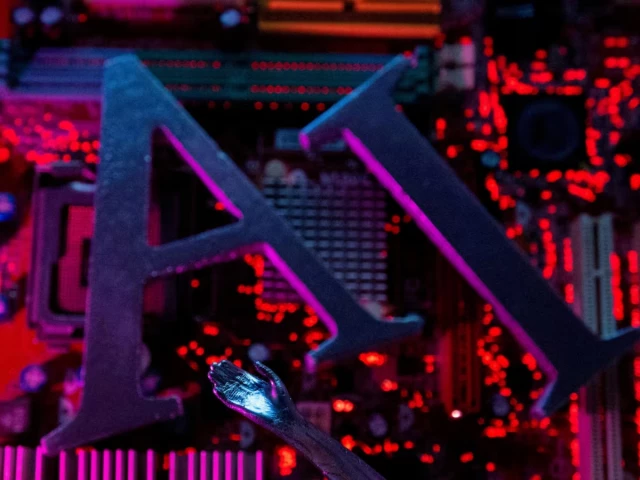
The surge in memory chip prices comes as companies rush to build out AI data centers, creating an intense demand for these components, predominantly used in servers. This has left many tech giants scrambling, and the costs are trickling down to consumers. Think about it: higher chip prices mean manufacturers have to charge more for everyday devices like smartphones and laptops.
Tobey Gonnerman, the president of semiconductor distributor Fusion Worldwide, highlighted that key players in the server market are resigning themselves to the fact that supplies may fall short, leading to extreme price premiums. For example, the prices for popular DDR5 memory modules have skyrocketed from $149 to $239 in just a month.
But it’s not all bad news for everyone. While manufacturers face challenges, Samsung, with its robust position in the market, can set prices confidently. As smaller competitors struggle to keep pace, Samsung may continue to raise contract prices significantly well into the future. Analysts predict that Samsung could see price increases of 40% to 50% in the upcoming quarter alone.
So, what’s the takeaway here? As data centers expand and the demand for advanced technology surges, we might have to brace ourselves for the impact on our wallets—whether it’s for the latest smartphone or the computer we use for everyday tasks.
Want to dive deeper into how these trends affect your tech choices? Stay connected with platforms like Pro21st, where we keep you in the loop about the evolving tech landscape and what it means for you. By understanding these dynamics, you can make better informed decisions as consumers.