
The Shanghai Cooperation Organisation: A New Vision for Global Cooperation
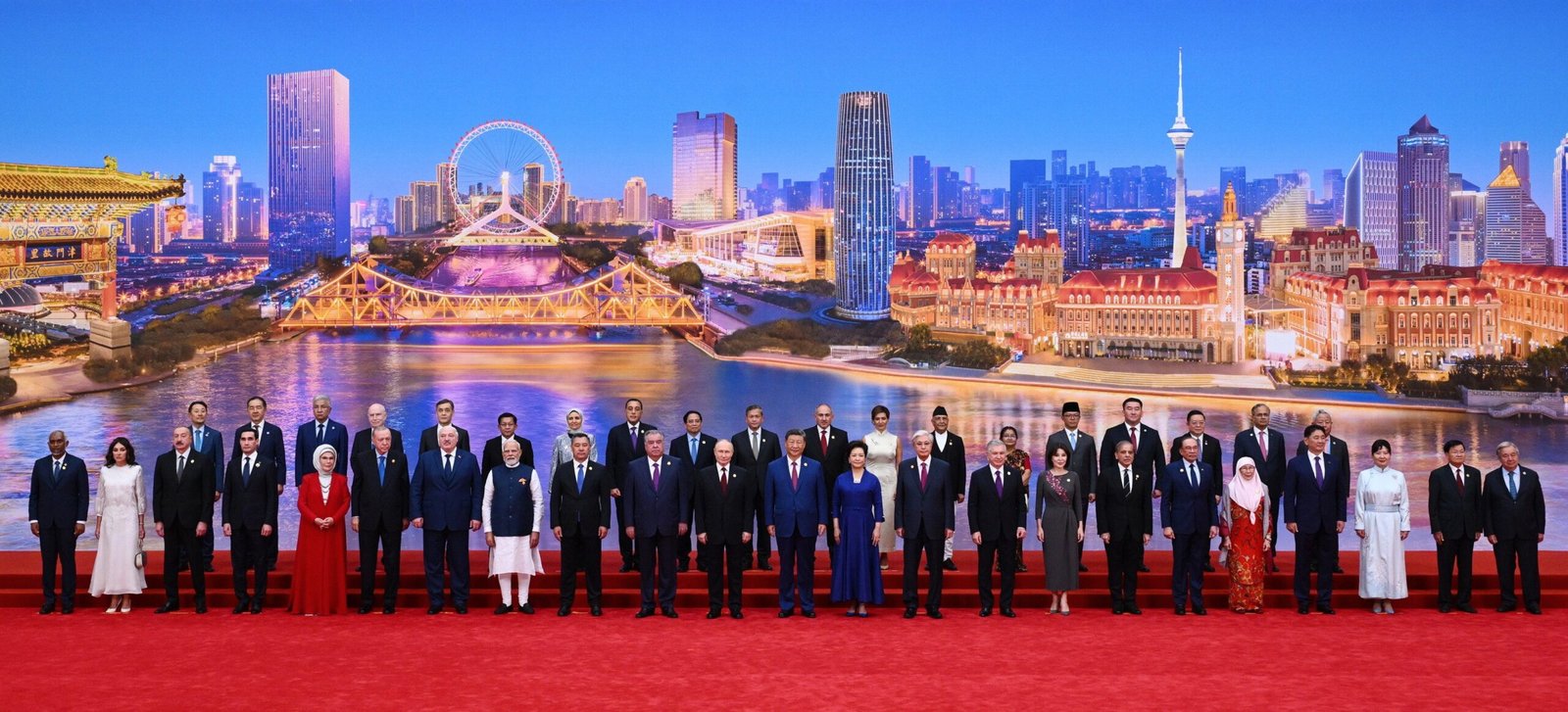
At its recent summit in Tianjin, the Shanghai Cooperation Organisation (SCO) became a focal point for discussions about global governance, with leaders from across Asia and Europe gathering to push a fresh narrative in international relations. With nearly half the world’s population and a significant chunk of global GDP, the SCO is carving out a distinct identity, challenging the status quo of Western dominance.
President Xi Jinping’s remarks at the summit highlighted a vision of Asia and Europe as "a garden of civilisations," flourishing through mutual prosperity. This stands in stark contrast to earlier views, like those expressed by EU foreign policy chief Josep Borrell, who described Europe as a "garden" while implying that the rest of the world is akin to a "jungle." Such elitist metaphors speak to an insular mindset that continues to shape Western foreign policy.
What makes the SCO particularly intriguing is its emphasis on pluralism and cooperation over division. Unlike NATO, which often expands through militarization, the SCO aims to grow by including more nations in its discussions. Without a standing army or a traditional headquarters, it champions dialogue to resolve disputes, a breath of fresh air in a world often rife with conflict.
One of the highlights from Tianjin was Xi’s emphasis on global governance. He cautioned against "hegemonism and power politics," advocating instead for principles like sovereign equality and true multilateralism. This approach seeks to level the playing field, asserting that all countries, irrespective of size or wealth, should have an equal say in global matters.
The economic implications of the SCO’s agenda are noteworthy. Bilateral trade between China and SCO nations reached a staggering $512.4 billion in 2024. This indicates a budding Eurasian supply chain designed to insulate itself from Western sanctions, showcasing a new economic landscape.
China’s role in this evolving scenario is particularly compelling. Rather than operating as an imperial power, it positions itself as a partner in development, focusing on infrastructure projects that rely on local labor rather than exploitation. This nuanced approach contrasts sharply with the traditional image of Western interventionism, which often prioritizes profit over people.
As Europe grapples with its diminishing influence, the SCO’s vision presents an alternate roadmap for global engagement—one rooted in cooperation and mutual benefits rather than hierarchy or domination.
In conclusion, the SCO’s recent developments urge us to reconsider our understanding of global interconnectivity. Rather than viewing international relations as a zero-sum game, this new paradigm invites a more inclusive and collaborative approach. If you’re keen to learn more about these evolving dynamics and how they impact global trends, stay connected with insights from Pro21st.
At Pro21st, we believe in sharing updates that matter.
Stay connected for more real conversations, fresh insights, and 21st-century perspectives.