Exciting Developments in Pakistan’s Energy Sector
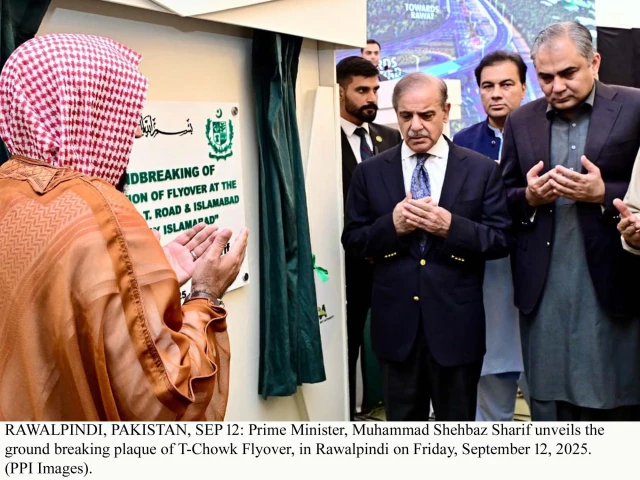
If you’ve been following the news, you might have caught wind of a significant milestone for Pakistan’s energy sector — the discovery of substantial oil and gas reserves in the Kohat district of Khyber-Pakhtunkhwa. Prime Minister Shehbaz Sharif celebrated this momentous occasion, emphasizing its potential to reshape the country’s domestic energy landscape.
The Oil and Gas Development Company Limited (OGDCL) recently reported that the newly discovered reservoirs at the Nashpa Block are producing 4,100 barrels of oil per day, along with an impressive 10.5 million cubic feet of gas daily. This is not just good news; it’s a step toward decreasing Pakistan’s heavy reliance on imported energy sources. By focusing on local exploration, Pakistan can save valuable foreign exchange, strengthening its economy.
During a recent high-level meeting, PM Shehbaz acknowledged the hard work put in by various departments. He highlighted that improved gas pressure has been seen by domestic consumers this winter, a testament to the ongoing efforts to enhance the energy supply. The government is also accelerating efforts to provide new LNG connections, aiming for 350,000 new setups by mid-2026.
Another significant step in this direction is the ongoing digitization of the oil and gas supply chain. This move is expected to reduce problems like smuggling and create a more efficient system that benefits the national exchequer. The prime minister’s vision is clear: a robust and secure energy framework that not only enhances availability but also ensures sustainability.
This discovery is indeed a breath of fresh air for Pakistan’s energy reserves and could pave the way for future energy independence. The successful production from exploratory wells showcases the potential for deeper exploration in the region, which could lead to even more resources being tapped.
In addition to energy developments, the prime minister is spearheading discussions on broader economic reforms and investment promotion. He emphasized that the key to sustainable economic growth lies in effective collaboration among various government ministries and levels of governance. By focusing on industries like agriculture and inviting foreign investment, the government aims to create an environment conducive to growth.
As Pakistan navigates these promising developments, there is an opportunity for all of us to stay informed and engaged. Understanding the implications of these changes can enhance our perspectives on energy consumption and economic strategies. If you’re interested in learning more about how these developments might affect you or wanting to share your thoughts, connect with us at Pro21st — we’d love to hear from you!
At Pro21st, we believe in sharing updates that matter.
Stay connected for more real conversations, fresh insights, and 21st-century perspectives.