
India’s Leap into Space: Skyroot Aerospace’s Historic Vikram-1 Launch
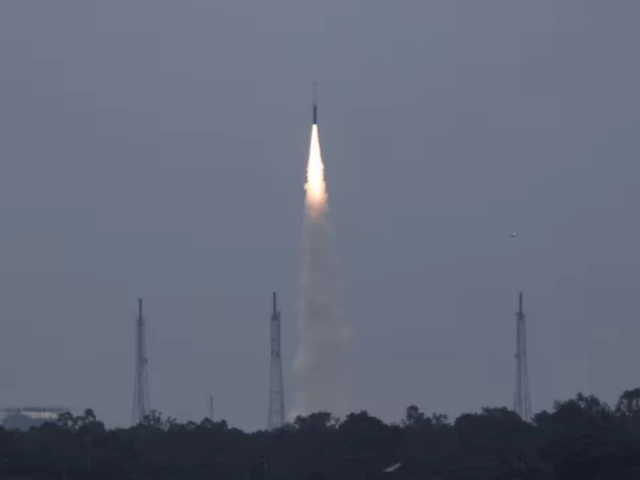
On July 18, 2026, Indian space startup Skyroot Aerospace marked a monumental achievement by launching the Vikram-1 rocket, officially making India the third country to realize orbital launch capabilities through private enterprise. The rocket lifted off from the Satish Dhawan Space Centre in Sriharikota, Andhra Pradesh, and rapidly ascended, leaving a trail of fire and smoke in its wake.
Dubbed "Mission Aagaman," this mission was not just a launch; it was a test of India’s growing ambitions in the global commercial launch market. Carrying various customer payloads and conducting in-orbit experiments, the Vikram-1 successfully injected its payload into a 450km orbit just 15 minutes after liftoff. This groundbreaking event illustrates how rapidly the Indian space sector is evolving, especially since the government opened it to private investment in 2020.
Skyroot, founded in 2018, is part of a vibrant ecosystem of Indian space startups, many of which have gained significant attention and funding from global investors. Earlier this year, it even became the first Indian space company to achieve a staggering $1 billion valuation, setting the stage for expanding its operations and ambitions.
The rocket stands proudly at about 22 meters tall and is designed to carry payloads of up to 350kg into low-Earth orbit. Notably, it employs cutting-edge technologies such as three solid-fuel stages and a liquid-fuel orbital adjustment module, featuring a 3D-printed engine — marking a first for the country.
India’s entrance into the lucrative small satellite launch market comes as competition heats up globally, particularly against established players like Elon Musk’s SpaceX. Other nations, too, are ramping up support for homegrown launch companies to ensure independent access to space, driven by growing commercial and defense needs.
Skyroot’s journey began with its Vikram-S mission in 2022, which made it the first privately developed rocket to reach space from Indian soil on a suborbital flight. With this latest achievement, the company is now poised for routine commercial flights, emphasizing that its current milestone was just a stepping stone toward even greater ambitions.
The Indian government aims to elevate the nation’s share of the global space economy from around $8 billion to an impressive $44 billion by 2033. The expectation is clear: private companies like Skyroot will play a pivotal role in this ambitious vision.
As we navigate this exciting era in India’s space journey, the implications are vast. The success of humble startups is not merely a national pride but a reminder of how innovation can unlock broader horizons. If you’re intrigued by the developments in the space sector or want to explore related opportunities, connecting with platforms like Pro21st can be a fruitful venture. Together, we can keep our eyes on the stars!