
The Future of AI and National Security: A Closer Look
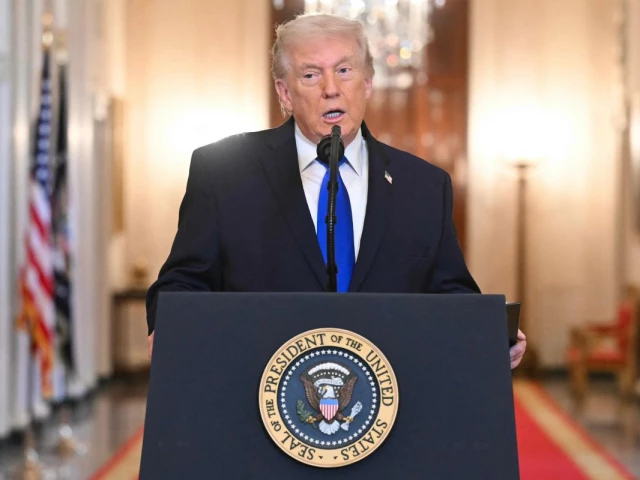
In recent news, the US government has taken a stark stance against Anthropic, a prominent AI lab, by designating it as a supply-chain risk. This decision, announced by former President Donald Trump, signifies a major shift in how the U.S. approaches regulation of artificial intelligence, specifically in the realm of national security.
So, what does this mean? Essentially, the Department of Defense (DoD) will phase out its partnerships with Anthropic over the next six months. This move follows months of discussions regarding the ethical implications of AI technology in military settings and comes with substantial consequences for Anthropic’s future business prospects.
Trump emphasized that if Anthropic does not comply with the transition, he would not hesitate to leverage the "full power of the presidency" to enforce compliance. Such a threat not only paints Anthropic as a pariah in the tech industry but also raises questions about how private companies will navigate government regulations in the future.
The core issue here is the balance between innovation and accountability. While Anthropic aims to establish boundaries around mass surveillance and autonomous weapon systems, the Pentagon has made it clear that national security is its paramount concern. Thus, U.S. law will dictate the deployment of AI in military operations, and the DoD is not interested in being constrained by the ethical guidelines set by tech companies.
Interestingly, rival AI company OpenAI has taken a different approach. Recently, they announced a deal to work within the Department of Defense’s classified network, promising to incorporate principles of human oversight and responsibility. CEO Sam Altman stated that technical safeguards would be built to ensure the technology behaves as intended. This proactive engagement has positioned OpenAI favorably, highlighting the competitive landscape in the AI sector.
The decision to categorize Anthropic as a supply-chain risk could have severe implications, potentially limiting the company’s access to significant government contracts and damaging its relationships with private-sector partners. This is reminiscent of previous actions against companies like Huawei, which faced similar restrictions.
As AI technology rapidly evolves, it poses unique challenges and ethical dilemmas that governments and businesses must navigate. With the heightened scrutiny on AI capabilities, particularly concerning military applications, the ongoing dialogue between regulators and tech companies seems more crucial than ever.
In this dynamic environment, it’s essential for AI companies to stay informed and engaged with the evolving regulatory landscape. For those looking to explore the implications of these developments further, consider connecting with Pro21st. It’s a fantastic way to stay ahead in the ever-changing world of tech and national security.
In summary, the recent actions against Anthropic mark a significant turning point in the intersection of AI and national defense. As we continue to observe this landscape, the conversation around ethical technology use remains vital.