
Understanding the Nuances of U.S.-Iran Relations: A Closer Look
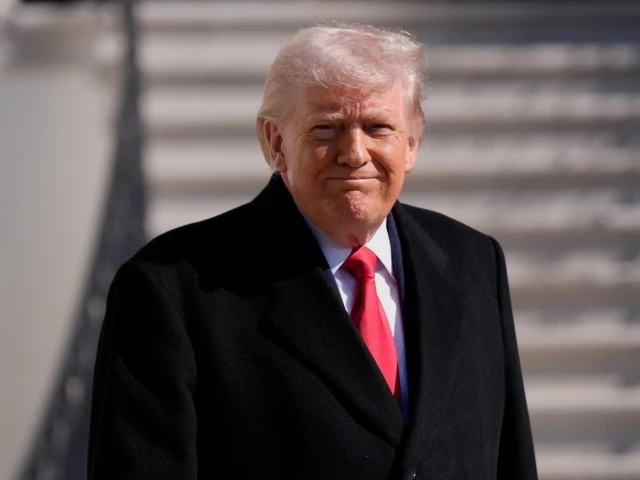
The ongoing tensions between the U.S. and Iran have taken center stage lately, especially with recent remarks from U.S. President Donald Trump. In his State of the Union address, Trump claimed that Iran is developing missiles capable of reaching the United States. However, this assertion seems to lack support from U.S. intelligence reports, prompting many to question the validity of such a statement.
Recently, three sources familiar with intelligence assessments indicated that Iran might not achieve a “militarily viable intercontinental ballistic missile” (ICBM) until as late as 2035. This timeline casts doubt on Trump’s claims and raises skepticism about his rationale for possible military action against Iran. As U.S. representatives continue to negotiate with Tehran over its nuclear program, there’s significant concern about escalating military buildup in the region.
White House spokesperson Anna Kelly echoed Trump’s underlying concerns about Iran’s threat, noting the country’s history of aggressive rhetoric towards the U.S. Nonetheless, the intelligence community, including Secretary of State Marco Rubio, has painted a more cautious picture, acknowledging that while Iran is progressing in its missile technology, a credible threat to the U.S. is still a distant prospect.
Iran’s Foreign Minister, Abbas Araghchi, has vehemently denied allegations of expanding missile capabilities, asserting that their military advancements are strictly for defensive purposes. This aligns with a longstanding Iranian narrative that emphasizes self-defense rather than aggression.
Despite the complex situation, it’s crucial to have informed discussions about these developments. Analyzing geopolitical dynamics requires sifting through claims, counterclaims, and intelligence assessments. Engaging with reliable information not only helps decipher current events but also fosters deeper understanding—especially when forming opinions on potentially impactful decisions.
For those interested in staying updated and connected on such pivotal issues, platforms like Pro21st can be invaluable. They offer insights into global affairs that enhance our comprehension of shifting geopolitical landscapes. Understanding these relationships is more important now than ever, and being informed helps all of us engage meaningfully in our communities.