
Understanding Current U.S. Sanctions Against Iran: What You Need to Know
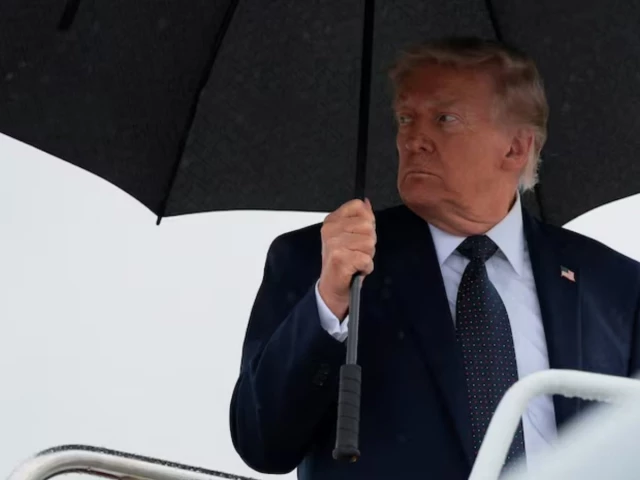
The diplomatic landscape surrounding Iran is continually shifting, especially with the U.S. taking steps to impose a new wave of sanctions. Recently, President Trump emphasized a hard-hitting economic strategy against Iran, which follows statements from Treasury Secretary Scott Bessent about rare and unprecedented measures coming soon. But what exactly does this mean for both Iran and the international community?
Over the past few decades, the U.S., along with the United Nations and the European Union, has implemented numerous sanctions targeting Iran. These have often stemmed from issues like Iran’s controversial nuclear program and various human rights violations. The recent conflict that erupted in 2026 has only intensified these sanctions, with new maritime, energy, and financial restrictions now in place.
Targeting Key Sectors
One of the focal points of the new sanctions is the "teapot" refineries in China, which are small-scale, independent facilities that account for a significant portion of Chinese oil capacity. These refineries buy more than 80% of Iran’s exported oil, putting them squarely in the crosshairs of U.S. sanctions aimed at significant pressure on the Iranian economy. The challenge is that these smaller refineries often operate outside of the U.S. financial system, which makes them somewhat resistant to direct sanctions.
Financial Pressure on Chinese Banks
Chinese banks have also come under scrutiny. While smaller institutions have already faced secondary sanctions for processing Iranian oil transactions, the looming threat against larger banks poses a potential shift in the financial dynamics. Should sanctions be imposed, it could create a ripple effect in the banking sector, making these institutions cautious about future transactions involving Iran.
Strategies Moving Forward
The U.S. has a few strategies to explore:
- Maritime Sanctions: Continuing to target shipping routes and logistics firms that are facilitating Iran’s trade.
- Land Blockades: This idea involves working with neighboring countries to impose a blockade, though its practicality is debatable.
- Secondary Tariffs: Trump has hinted at new tariffs on nations aiding Iran, though the legal complexities surrounding this issue could slow progress.
The Bigger Picture
Despite various sanctions measures, experts warn that these efforts can feel like a "whack-a-mole" game—while some entities are sanctioned, new ones can quickly emerge to take their place. The crux of the situation is that while sanctions can cripple aspects of the Iranian economy, they often fall short of changing the country’s behaviors or strategies.
So, how should you stay informed about these evolving international dynamics? Engaging with platforms that offer expert insights and updates can be incredibly beneficial. For more detailed discussions on sanctions, geopolitics, and related economic matters, consider connecting with resources like Pro21st to stay updated and understand the implications of these ongoing changes. By staying informed, you can better grasp how these global issues affect you and the world around you.