
Understanding the Current Tensions in the Middle East: A Closer Look
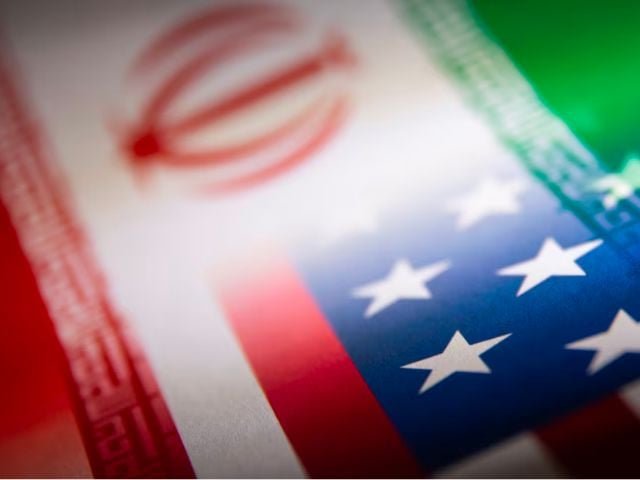
The ongoing conflict in the Middle East has reached a boiling point, particularly with recent developments involving Iran and the United States. It’s crucial to stay informed about these tensions, as they could have significant implications for global stability, especially concerning oil prices and international relations.
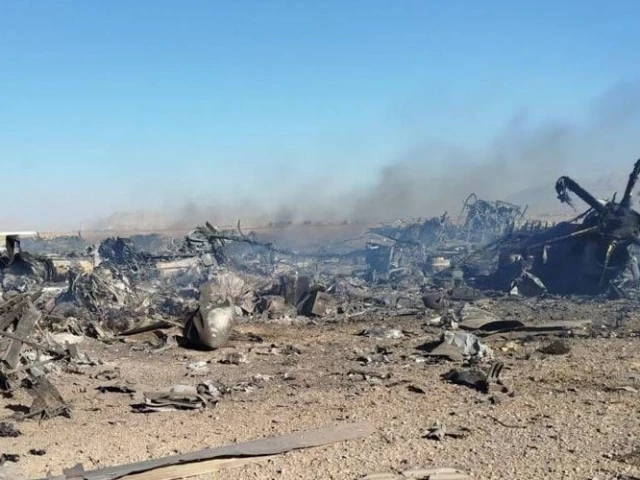
Recently, Iran’s Islamic Revolutionary Guard Corps (IRGC) claimed responsibility for downing various US military aircraft. This assertion came on the heels of a daring rescue operation by US special forces to save an American airman whose F-15 jet was shot down. The IRGC announced that they had destroyed two C-130 transport planes and two Black Hawk helicopters, showcasing their military capabilities amidst escalating hostilities.
The Strait of Hormuz, a key waterway for global oil transportation, has effectively been closed since the onset of this conflict. President Donald Trump issued strong warnings, provocatively stating that Iran would face severe consequences if they did not reopen the strait. His language has drawn criticism for being inflammatory, with some labeling it as incitement to war. The stakes are high; if the strait remains closed, crude oil prices could skyrocket, impacting economies around the world.
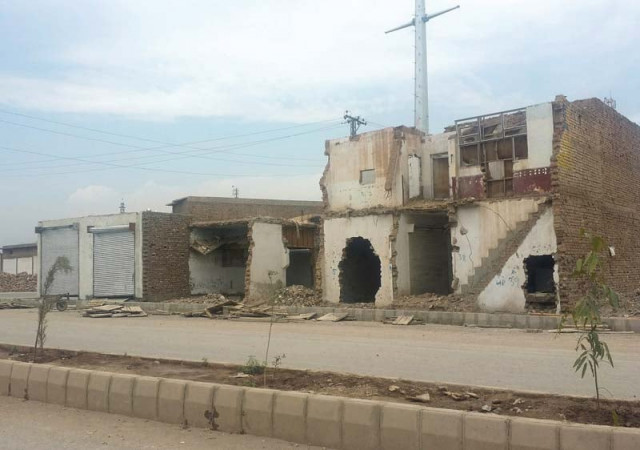
Iranian officials are responding defiantly, with Foreign Ministry spokesperson Esmaeil Baghaei condemning Trump’s statements as reckless. They emphasize their readiness to defend their sovereignty and retaliate against any perceived threats to their infrastructure. This back-and-forth has resulted in a cycle of attacks targeting civilian structures, further complicating the humanitarian landscape.
Israel has also stepped into the fray, launching its own strikes against Iranian facilities. The region’s geopolitical dynamics are increasingly tense, with powers like China and Russia calling for de-escalation and urging both Iran and the US to engage in dialogue rather than ultimatums.
As we monitor these developments, it’s clear that diplomacy is more crucial than ever. The potential for military escalation is real, and it’s imperative that international leaders prioritize communication to prevent further chaos.
For those interested in more insights and updates regarding regional affairs, consider exploring resources like Pro21st, where we delve deeper into topics that shape our world today. Stay informed!