
Understanding the US-Iran Negotiation Dynamics: What You Need to Know
The ongoing discussions between the United States and Iran are drawing significant attention, highlighting a complex web of geopolitical maneuvering. Recently, reports have surfaced that the US might consider releasing $20 billion in frozen Iranian assets. In exchange, Iran would be expected to give up its stockpile of enriched uranium—an essential step in addressing nuclear concerns. While the potential deal sounds straightforward, the underlying dynamics reveal a much more complicated relationship.
The Crux of the Conflict
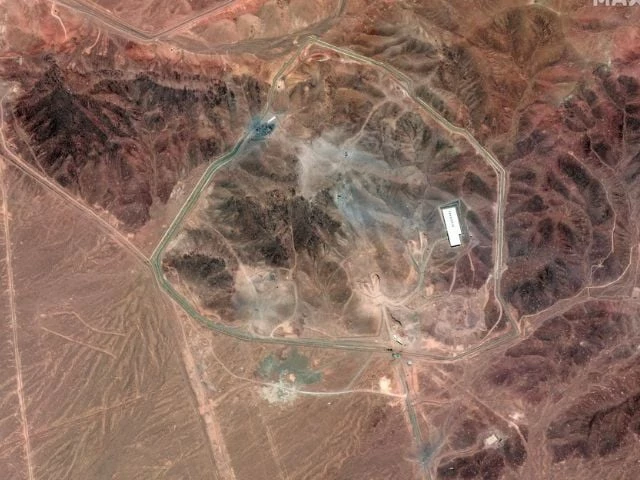
At the heart of the matter is a substantial amount of enriched uranium—about 2,000 kilograms—that Iran has collected amidst ongoing tensions. President Trump emphasized that the US is committed to ensuring that Iran cannot access this stockpile. Discussions have centered around different approaches to managing this uranium. The US proposes transferring all of it out of Iran, while Iran has countered with suggestions to dilute the uranium domestically.
These negotiations aren’t just about numbers; they’re about trust, security, and national pride. For Iran, gaining financial relief is crucial, while for the US, preventing nuclear proliferation is paramount.
Negotiation Progress and Challenges
This week has shown promising progress in the talks, though significant gaps remain. A draft framework, still unofficial, outlines a potential compromise: sending part of Iran’s enriched uranium to a third country while diluting the remainder under international supervision. Such steps are essential for ensuring transparency and building trust between both nations.
However, disagreements linger regarding the duration of uranium enrichment freezes. The US is proposing a lengthy 20-year freeze, while Iran has suggested a significantly shorter five-year period. This disparity highlights the challenges negotiators face in finding common ground.
Future Implications
The outcomes of these negotiations will have long-term implications not only for the US and Iran but also for global security. A successful agreement could pave the way for a de-escalation of tensions in the Middle East, while failure could exacerbate the conflict further.
Interestingly, Trump asserted that the US will recover Iran’s enriched uranium without any financial transaction. He’s committed to recovering what he calls “nuclear dust” without compensation, showcasing a tough stance that appeals to nationalist sentiments but could risk further complicating negotiations.
What Lies Ahead?
As we look to the coming weeks, another round of talks is expected to take place soon. The diplomatic landscape is fluid, and while progress is encouraging, the stakes remain high. For those closely monitoring these developments, staying informed is crucial.
Ultimately, this complex negotiation underscores the importance of understanding each nation’s objectives and concerns. If you’re interested in further discussions and insights on global events, feel free to reach out to Pro21st. Staying informed helps us all navigate these challenging times!