
Understanding the "Board of Peace" Initiative: What It Means for Gaza’s Future
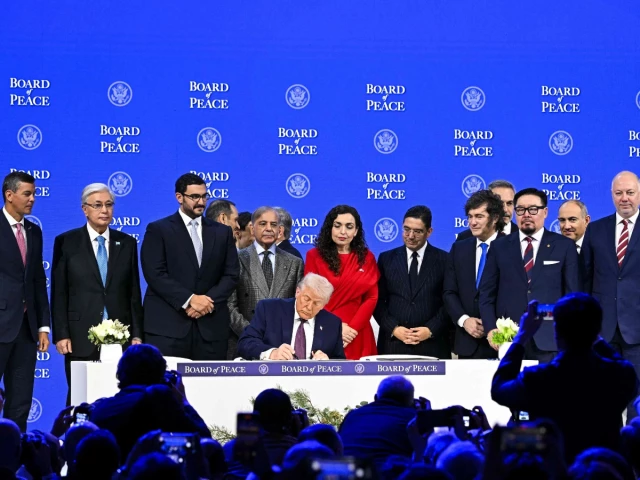
There’s a buzz in the air as the White House gears up for a significant meeting involving President Donald Trump’s newly launched “Board of Peace.” Scheduled for February 19, this gathering aims to address the post-war governance of Gaza—a topic that has stirred much debate within the international community.
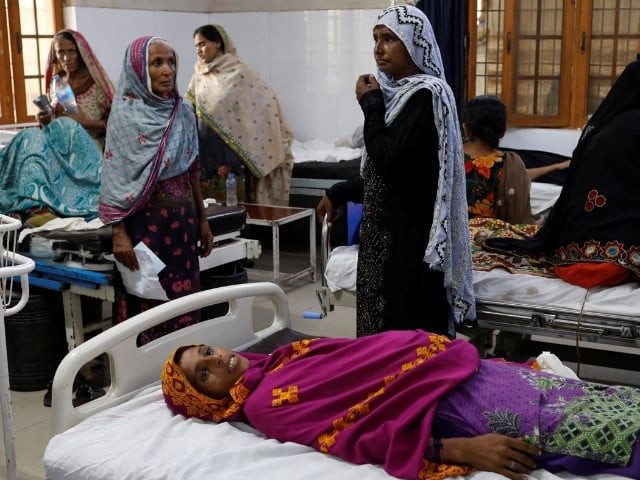
As you might have heard, Israeli Prime Minister Benjamin Netanyahu is expected to meet with Trump just a day before the board meeting, which adds an extra layer of intrigue. The meeting’s agenda isn’t solely focused on governance; it’s also set to include discussions on fundraising for reconstruction efforts in Gaza. Such initiatives are crucial, especially for a region that has suffered immense hardship, including casualties and mass displacement.
Interestingly, the formation of this board has drawn mixed reactions globally. While several Middle Eastern nations have joined the initiative, many of the traditional Western allies have been hesitant. This caution could stem from concerns that Trump’s board might disrupt existing international structures, such as the United Nations, which has historically played a role in mediation and crisis management.
Critics have raised eyebrows at the potential implications of a foreign power overseeing Gaza’s governance. Many argue that this approach feels reminiscent of colonial oversight, especially given that the board currently lacks representation from Palestinian voices. This absence highlights a broader issue: balancing international involvement with local agency.
Moreover, the ongoing violence in the region sheds further complexity on the situation. Despite the fragile ceasefire initiated last year, there have been numerous violations leading to tragic losses of lives on both sides. The humanitarian crisis continues to escalate, raising urgent questions about how such initiatives can realistically address the ground realities.
As these discussions unfold, it’s essential to stay informed about how geopolitical decisions impact local communities. By keeping an eye on developments like the “Board of Peace,” we can better understand their implications for Gaza’s future governance and its people.
For those looking to delve deeper into international relations and humanitarian issues, consider joining a community like Pro21st. It’s a great platform to explore these complex topics more thoroughly and connect with others who share your passion for meaningful change.