
The Importance of Protecting Military Personnel’s Privacy
In today’s digital age, privacy concerns are more prominent than ever, especially when it comes to military personnel. Recently, U.S. military officials announced they have taken significant steps to bolster security by disabling advertising trackers on various devices. This decision comes after alarming reports highlighted the use of commercially available location data to track American troops in the Middle East, raising serious national security issues.
Senator Ron Wyden has been at the forefront of pushing the Pentagon to address these concerns. His persistence has led to the Air Force, Special Operations Command, and the Army implementing measures to disable advertising IDs on their devices, a move aimed at protecting service members from being tracked during active deployments. The goal is clear: to keep sensitive information out of reach of those who might use it against American forces.
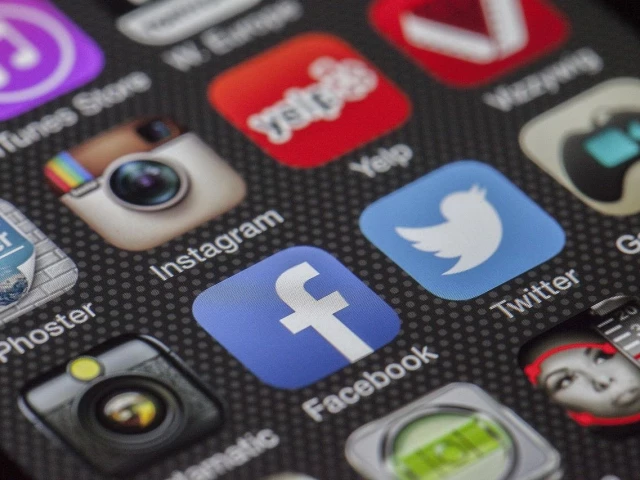
But what exactly are these advertising IDs? In simple terms, they are unique identifiers that apps on mobile devices use to track user activity, including location. By disabling these IDs, the military is not just enhancing privacy; it’s also reducing the risk of sensitive location data being sold to data brokers who could then make it accessible to adversaries.
However, as military officials review phone usage policies, the threat isn’t fully mitigated. In fact, stricter measures are being considered, including potentially ordering deployed personnel to surrender their smartphones. This reflects the serious nature of the situation, where social media posts and shared videos can unintentionally reveal troop locations, thereby endangering lives.
The concern over location data is amplified by the fact that not all tracking can be easily circumvented. Zach Edwards, a privacy expert, notes that while disabling mobile advertising IDs is a positive step, it doesn’t completely eliminate the risk. Personnel can still be tracked through other means, which raises questions about the adequacy of current protective measures.
Wyden and fellow lawmakers have urged for a deeper investigation into the military’s handling of this data concern, suggesting that, despite recent actions, more needs to be done to shield troops from tracking threats. It’s evident that this issue is not just about privacy; it’s about the safety of those serving far from home.
In conclusion, while the military’s recent efforts to disable advertising IDs on devices are commendable, continued vigilance is required. As technology and data collecting practices evolve, so too should the measures in place to protect our service members. If you’re interested in the intersections of technology, security, and privacy, platforms like Pro21st can offer valuable insights and connections to keep you informed.