
The Implications of the Recent US-China Economic and Security Review Commission Report
In a significant move, the US-China Economic and Security Review Commission recently submitted a report to Congress detailing the recent military dynamics between India and Pakistan. The four-day skirmish in May 2025 has drawn considerable attention, as it prominently showcased advanced Chinese weaponry and the growing military ties between Pakistan and China.
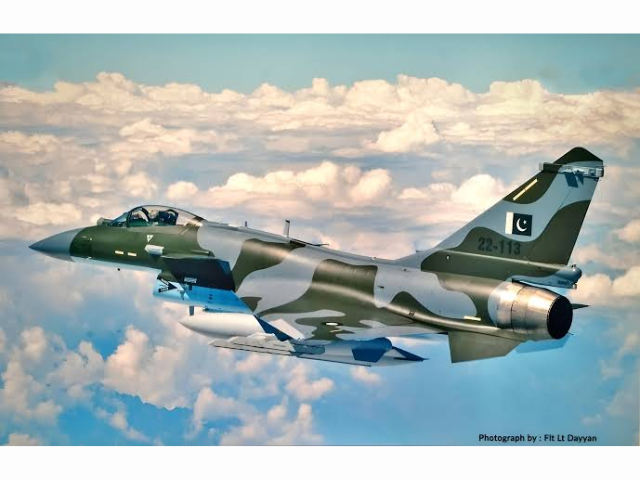
According to the commission, Pakistan’s military success during this short yet intense conflict heavily relied on the deployment of cutting-edge Chinese defense systems, including the J-10 fighter jets and HQ-9 air-defense systems. This clash was ignited after an alleged attack on tourists in Indian Illegally Occupied Jammu and Kashmir, which New Delhi blamed on Pakistan. Interestingly, Islamabad refuted these claims and called for an independent investigation, but tensions quickly escalated with air strikes initiated by India.
What makes this event particularly noteworthy is that it not only marks a crucial moment for the Pakistan Air Force but also represents the first active combat deployment of China’s modern weapon systems. The US report highlighted that, during the conflict, Pakistan managed to down multiple Indian aircraft while claiming no losses on its own side. U.S. President Donald Trump noted that this clash had effectively demonstrated Pakistan’s growing military capabilities.
It’s worth mentioning that China capitalized on this situation to enhance its defense sales. Following the conflict, reports surfaced suggesting China offered Pakistan additional advanced military hardware, including fifth-generation J-35 fighter jets. This move illustrates a broader trend of increasing military cooperation between Beijing and Islamabad, which has raised security concerns in New Delhi. The report stated that around 82% of Pakistan’s arms imports originated from China between 2019 and 2023, emphasizing a tightening military relationship that might reshape regional dynamics.
Moreover, the commission’s findings indicated potential disinformation tactics employed by China, aimed at boosting the credibility of its military capabilities over competitors like France and its Rafale jets. Such strategies might reflect a more calculated effort to bolster China’s defense industry on the global stage.
The report suggests that this four-day engagement could be characterized as a "proxy war." However, it simultaneously highlights China’s intent to showcase the sophistication of its arms in the context of ongoing regional tensions. Interestingly, Pakistan has already opted to increase its defense budget by 20% post-clash, signaling a serious commitment to enhancing its military capabilities despite an overall decrease in its national budget.
In summary, the findings of this report serve as a critical reminder of the evolving geopolitical landscape in South Asia, particularly the implications of the military cooperation between Pakistan and China. The intertwining of economic and military interests could significantly impact both regional and global security paradigms.
For those interested in staying updated on geopolitical trends and military dynamics, following news from expert platforms like Pro21st can provide valuable insights into these pressing issues.
At Pro21st, we believe in sharing updates that matter.
Stay connected for more real conversations, fresh insights, and 21st-century perspectives.