
Navigating Political Divergence: Inside the Trump Administration’s Approach to the Iran War
In the ever-evolving landscape of U.S. foreign policy, navigating the waters of consensus and conflict can resemble a tightrope walk. Recently, President Donald Trump’s administration has come under scrutiny for the contrasting perspectives expressed by key officials regarding the Iran war and its implications for U.S.-Israel relations.
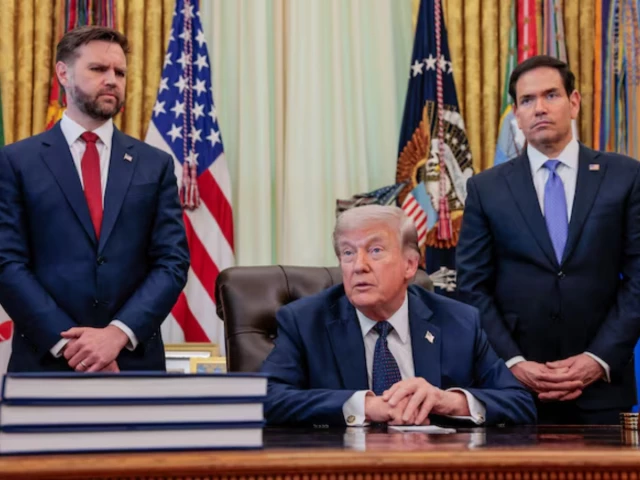
During a press briefing last week, Vice President JD Vance raised eyebrows by criticizing the Israeli military’s actions in Lebanon. He argued that bombings aimed at curtailing Hezbollah’s influence were detrimental to U.S.-led peace efforts. This aligns with his earlier statements, where he expressed optimism about the preliminary U.S.-Iran deal, even suggesting that Gulf states could play a role in funding Iran’s reconstruction.
Conversely, Secretary of State Marco Rubio took a firmer stance, defending Israel’s actions as necessary responses to Hezbollah attacks. When asked about Vance’s criticisms, Rubio maintained that the U.S. remains steadfast in its support for Israel, showcasing a significant split in their rhetoric. This divergence becomes particularly relevant as both officials are viewed as potential contenders for the 2028 Republican presidential nomination.
Despite the discord that leaves some analysts unconvinced about the administration’s claims of unity, the White House firmly defends its position. Press Secretary Anna Kelly emphasized that both officials operate within the same framework of the Trump administration’s policies, particularly regarding Iran’s nuclear ambitions.
As the U.S. continues to engage with complex geopolitical dynamics, these diverging viewpoints reveal underlying tensions not only within the administration but also within the Republican Party itself. Polls indicate a significant divide among Republicans regarding the Iran conflict, with many questioning the benefits of ongoing military interventions.
In this polarized environment, understanding the differing worldviews among the administration’s key players can provide crucial insights into future foreign policy directions. For anyone looking to delve deeper into these political nuances and their implications for international relations, it may be worthwhile to connect further. A community like Pro21st can offer additional resources and insights into how these issues are unfolding and affecting global dynamics.