
Pakistan’s Maritime Future: A Vision for New Ports
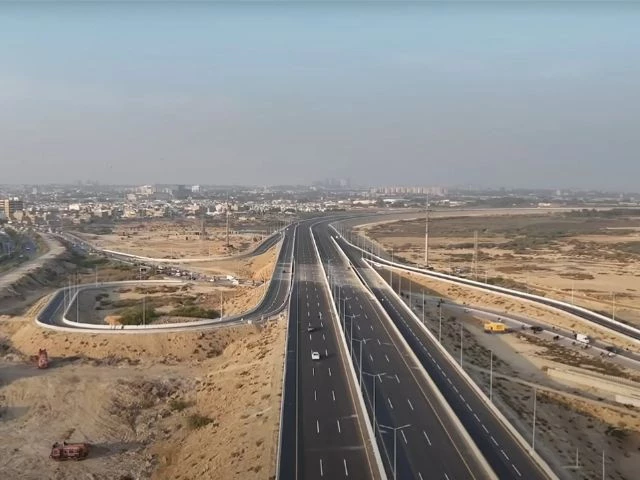
Imagine driving along a scenic coastline where vibrant ports are bustling with activity, modern cargo facilities are seamlessly managing trade, and digital systems are optimizing operations. This is the exciting future that Pakistan’s Federal Minister for Maritime Affairs, Muhammad Junaid Anwar Chaudhry, envisions with the establishment of three new deep-sea ports.
Recently announced during the National Maritime Week in Karachi, this initiative forms part of the ambitious "Hundred Years Vision 2047-2147." The idea is to put Pakistan on the maritime map for the next century, paving the way for substantial economic transformation.
Chaudhry has set up a high-level, multi-agency committee to explore potential sites for these new ports along Pakistan’s extensive 1,024-kilometer coastline. This comprehensive task requires not just identifying the right locations but also diving deep into technical aspects, hydrographic maps, and investment opportunities. To kickstart the plan, the committee will convene every two weeks to fast-track its findings and submit a feasibility report to the maritime ministry within three months.
Now, why does this matter? The country’s coastline doesn’t just look pretty; it holds immense potential for economic growth. With a projection that Pakistan’s GDP may hit $1 trillion between 2030 and 2035, the need for robust maritime trade systems is greater than ever. The current capacity statistics are telling: Port Qasim operates at around 65% capacity, Karachi Port Trust at 52%, and Gwadar Port varies between 5% to 10%. Given these figures, imagine the impact of fully operational ports between 2035 and 2045, driven by industrial growth and increasing shipping volumes.
The vision for these new ports includes modern cargo handling capabilities, green energy solutions, and state-of-the-art digital management systems. This isn’t just about expanding infrastructure; it’s about creating a sustainable and efficient maritime ecosystem that can accommodate future growth.
As we look forward to seeing these plans unfold, it’s clear that there is a collective enthusiasm for what this could mean for Pakistan’s economy and its position in global trade.
If this stirs your interest in maritime initiatives or you want to dive deeper into similar transformative projects, stay connected with us at Pro21st. We’re all about fostering dialogue around vital developments that shape our world.