
Strengthening Ties: Iran and Pakistan’s Diplomatic Outreach Amid Regional Turmoil
In the ever-shifting landscape of the Middle East, recent diplomatic movements highlight a growing collaboration between Iran and Pakistan. Following Israel’s unexpected and unprovoked attack on Iran earlier this year, tensions have spurred both nations to reinforce their political, security, and economic ties.
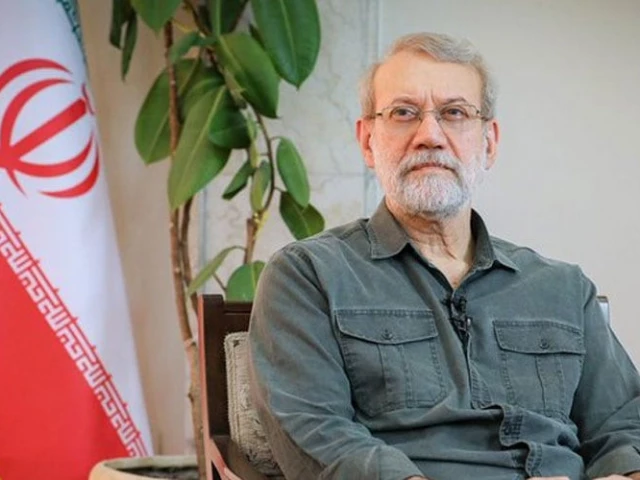
On Monday, Ali Larijani, the Secretary of Iran’s Supreme National Security Council, touched down in Islamabad as part of this initiative. In a heartfelt message on X, he recognized Pakistan as a "friendly and brotherly country," particularly praising its support during the tumultuous week of heightened aggression from the U.S. and Israel. This acknowledgment marks a significant diplomatic gesture, reflecting the importance both countries place on each other during challenging times.
The backdrop of this outreach is intense, to say the least. The June escalation, which saw several Iranian commanders and civilians tragically lost, spurred a united response from Iran, asserting it had effectively countered the assaults. As the conflict unfolded, Pakistan maintained a stance of restraint while opposing any attacks on Iranian soil, garnering appreciation from Tehran.
Larijani, a seasoned political figure, emphasized the need for cooperation among Muslim nations amid today’s complex geopolitical climate. His recent meetings reinforce their commitment to combat shared challenges—everything from border security to trade and economic collaboration.
The bilateral trade between Iran and Pakistan has already surpassed $3 billion, with aspirations to triple this amount. With several agreements signed recently covering sectors from agriculture to cultural exchange, both nations appear determined to forge deeper connections that will benefit their economies and enhance regional stability.
Moreover, Pakistan’s Ambassador to Iran, Muddasir Tipu, described this visit as pivotal, signifying a strong commitment to reinvigorating their "deep-rooted ties." The ongoing discussions around the Free Trade Agreement (FTA) and the operationalizing of a barter trade framework reflect a serious intent to maximize their trade potential.
As we observe these developments, it becomes evident that Iran’s strategic recalibration is firmly tied to Pakistan’s growing significance. With regional dynamics constantly evolving, mutual cooperation offers both nations a path toward greater stability and prosperity.
For those interested in staying informed about similar geopolitical developments, connecting with platforms like Pro21st can provide valuable insights and facilitate discussions on critical topics that shape our world today.
At Pro21st, we believe in sharing updates that matter.
Stay connected for more real conversations, fresh insights, and 21st-century perspectives.