
Revolutionizing Civil Registration in Sindh: The New Mobile App
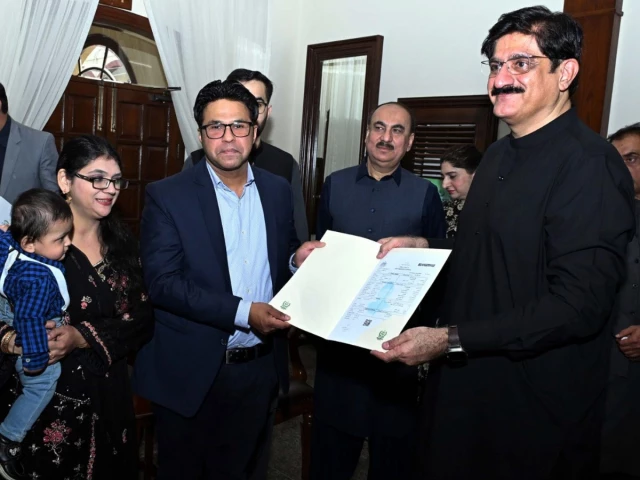
In a groundbreaking move towards digital governance, Sindh’s Chief Minister, Murad Ali Shah, recently unveiled the Civil Registration Management System (CRMS) mobile application. Launched on November 28th at CM House in Karachi, this innovative platform allows citizens to register births, deaths, marriages, and divorces right from their smartphones—no more endless queues or mountains of paperwork!
Why This Matters
Imagine needing to register a birth and having to take time off work, endure long waits, and fill out countless forms. This new system is set to change all that, making the process smoother and accessible for everyone, especially those living in remote or underserved areas. By integrating online services, the Sindh government aims to foster a more inclusive environment where all citizens can easily access essential services.
The CRMS app, developed in partnership with the National Database and Registration Authority (NADRA), is part of a larger system costing Rs471 million. It will be operational in 30 districts and 769 health facilities, ensuring that 85% of births in both public and private hospitals are registered digitally.
Key Features of the CRMS App
One of the most exciting features of this app is that it integrates vaccination records, disease surveillance, and patient identity management. This means healthcare providers will have access to real-time data—an essential element in planning public health initiatives. As Chief Minister Shah emphasized, civil registration has been a challenge, particularly for low-income families. To address this, the provincial government will bear NADRA fees for registering births and deaths, removing financial barriers for many.
A New Era of Accountability
To make the registration process even more efficient, the Chief Minister has mandated that every birth must be registered within hours of the event. This step is crucial for future planning, as education and health services will rely on accurate birth data. Local officials will now be held accountable for registration rates, ensuring a greater commitment to service.
The push for a paperless government is also noteworthy. Sindh’s cabinet meetings have transitioned to a fully digital format, and the aim is to expand these reforms to areas like domicile issuance, social protection systems, and e-payments. This approach not only enhances efficiency but also ensures transparency and accuracy in governance.
Integrated Health Benefits
The health sector stands to gain immensely from the CRMS app. Health Minister Dr. Azra Fazal Pechuho highlighted how the network of 769 health facilities will utilize integrated data to support programs like the Electronic Immunisation Registry. This will help the government target critical health interventions more effectively.
Final Thoughts
With the CRMS app, Sindh is taking significant strides toward digital governance, ensuring that essential services are more accessible to all. The collaboration with NADRA signifies a commitment to data security and privacy, two crucial factors in this digital age.
For those interested in how digital advancements can enhance governance, this initiative is a great example. If you’re eager to learn more about how technology can empower individuals and communities, consider exploring further. At Pro21st, we believe in leveraging technology to create a positive impact on society. Let’s connect and discuss how we can make a difference together!
At Pro21st, we believe in sharing updates that matter.
Stay connected for more real conversations, fresh insights, and 21st-century perspectives.