
The Importance of Conflict Prevention: Insights from the UN Security Council
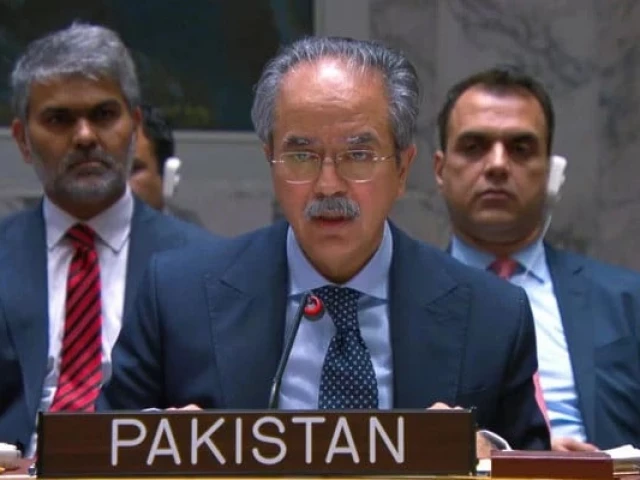
In today’s world, where global tensions seem to rise daily, the call for conflict prevention has never been more crucial. During a recent UN Security Council meeting, Pakistan’s Permanent Representative to the UN, Ambassador Asim Iftikhar Ahmad, highlighted this pressing need. His remarks shed light on the relevance of investing in dialogue over confrontation—an idea that resonates widely in our everyday interactions as much as in international diplomacy.
Ambassador Ahmad emphasized the importance of rekindling the spirit of the Helsinki Accords, which aimed to enhance security and cooperation in Europe. This historical precedent reminds us that diplomacy is often the better choice. He urged the Council to focus on confidence and security-building measures (CBMs) to foster peace in regions plagued by conflict. The message is clear: fostering dialogue can lead us away from hostility and towards understanding.
One of the key takeaways from the meeting was the idea that investment in conflict prevention is vital for sustainable peace. This doesn’t only apply on a global stage; it’s pertinent in our daily lives too. Just think about it: whether it’s resolving a disagreement with a friend or addressing issues in the workplace, early intervention and open communication can make all the difference.
Furthermore, Ahmad’s call to action highlights the role of organizations like the Organization for Security and Co-operation in Europe (OSCE) in fostering dialogue among nations. It’s a reminder that global cooperation can pave the path toward peace, but it takes commitment from all parties involved. When we approach conflicts with an aim to understand rather than to confront, we’re not just promoting peace on a macro level; we’re embodying principles that can benefit our communities as well.
As we consider the broader implications of conflict prevention, it’s also essential to reflect on how these principles manifest in our lives. How often do we prioritize understanding over being understood? Making a conscious effort to engage in open dialogue can lead to more harmonious relationships, be it with friends, family, or colleagues.
In conclusion, Ambassador Ahmad’s speech serves as a powerful reminder of the importance of investing in peace through dialogue and mutual understanding. The world is interconnected, and by taking proactive steps to prevent conflict, we can build a more stable future for everyone. If you’re keen to explore more about fostering dialogue and communication in various spheres, why not connect with Pro21st? They offer resources that can help transform how we engage with each other in our everyday lives.
At Pro21st, we believe in sharing updates that matter.
Stay connected for more real conversations, fresh insights, and 21st-century perspectives.