
Bank of England’s Bold Move: What It Means for You
On November 5, 2026, the Bank of England made headlines by raising interest rates for the first time in over three years, bringing them up to 4% from 3.75%. This decision comes amid growing concerns over inflation, which the Bank predicts will reach approximately 5% by mid-next year—well above their target. For Prime Minister Andy Burnham, who has been working diligently to tackle the cost of living crisis, this news is less than ideal.
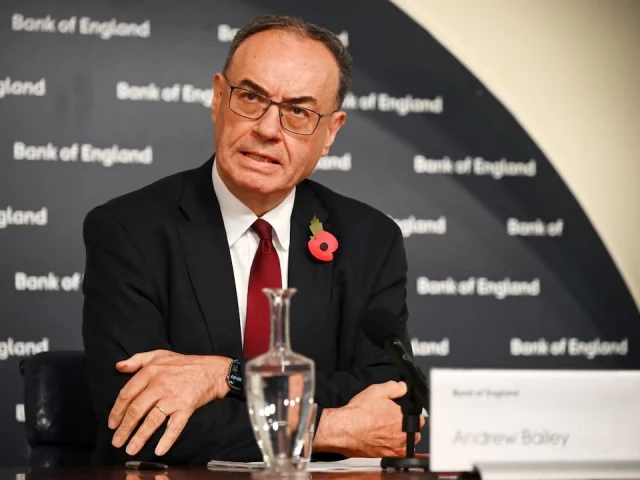
During the Monetary Policy Report press conference, Governor Andrew Bailey emphasized that this rate hike should not be interpreted as the beginning of an aggressive series of increases. However, he acknowledged that the ongoing conflict in the Middle East could necessitate further rate hikes. His cautious approach reflects a need to balance immediate inflationary pressures with the potential for economic stabilization.
When we consider how this affects us personally, higher interest rates can mean increased costs for mortgages and loans. If you’re a homeowner or planning to buy, it might be wise to review your financial strategy. The market’s response to the rate hike was somewhat optimistic, with the British pound strengthening against the dollar and bond yields experiencing a slight uptick.
One takeaway from this situation is the broader economic landscape that surrounds us. Inflation isn’t yet spreading widely beyond energy costs, but it remains a critical concern. The Bank of England is keeping a close eye on developments, especially as the financial year progresses.
Many experts remain divided on whether further rate hikes will happen. Some members of the Monetary Policy Committee (MPC) advocate for tighter measures, while others urge caution, suggesting that stronger evidence of inflationary pressures is needed before committing to additional increases.
What’s Next for Consumers?
As consumers, keeping informed about these changes can empower us to make better financial decisions. With predictions suggesting inflation might peak by the second quarter of next year, maintaining a solid grasp on your expenses and savings becomes essential.
It could be beneficial to consult with financial professionals who can provide advice tailored to your unique situation. Staying proactive rather than reactive can make a significant difference during these uncertain economic times.
If you’re looking for resources to help navigate these changes or want to discuss broader economic trends, connecting with financial experts at Pro21st can provide valuable insights. Understanding the implications of interest rates on your financial health is crucial, and you’re not alone in this journey.