
A Tale of Two Economies: Pakistan’s Diverging Economic Landscape in 2025
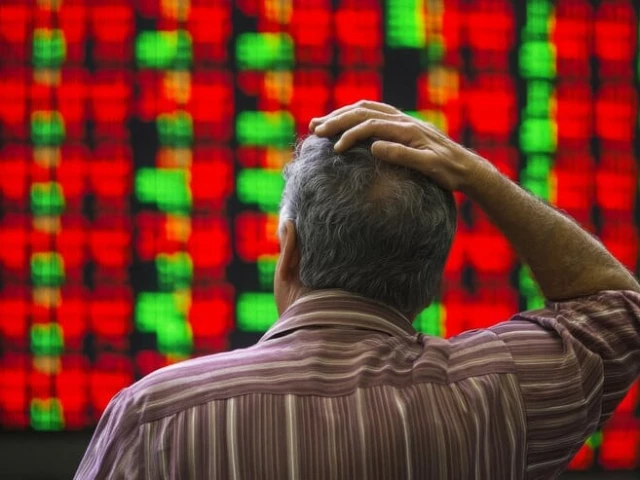
As we stand on II Chundrigar Road in Karachi, the financial heartbeat of Pakistan, December 2025 feels almost celebratory. The Pakistan Stock Exchange (PSX) has been on fire, with the KSE-100 index skyrocketing by nearly 40%. It’s a far cry from the struggles that loomed just a couple of years ago. However, travel a bit north to Faisalabad or Gujranwala, and the scene shifts dramatically to silence—empty factory floors and shuttered industrial gates tell a different story.
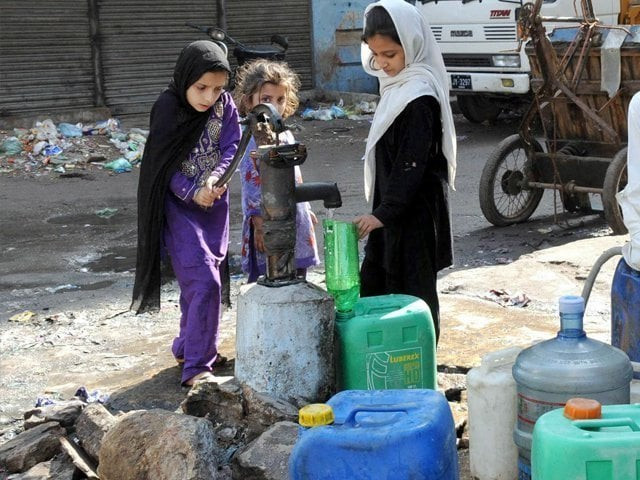
This stark contrast highlights a crucial question: Who is benefiting from Pakistan’s economic recovery? On one hand, you have the macroeconomic successes, with fiscal surpluses and a stabilized currency glittering in government reports. On the other, the real economy, filled with production and jobs, is gasping for air under the weight of high energy costs and hefty taxes.
This divergence can be traced back to the perilous precipice Pakistan faced in 2023. The nation narrowly avoided a sovereign default, thanks to stringent IMF programs designed to stabilize the economy. Fiscal discipline has become the buzzword, leading to decreased inflation and a stabilized rupee, which has drawn investors back to the stock market. For the financial elite, it’s been a very profitable year, yet the factory floors tell a different tale.
Take the textile industry, a linchpin for Pakistan’s economy responsible for over half its exports. In November 2025 alone, closures of major textile mills and cotton ginning factories numbered in the hundreds. What’s the culprit? Exorbitant energy costs, compounded by mounting circular debt. With industrial power tariffs hovering around 12 to 14 cents per kWh—compared to just 6 to 9 cents in neighboring countries—local manufacturers are finding it nearly impossible to compete.
But it’s not just the big textile players feeling the pinch. Small and medium enterprises (SMEs), the backbone of Pakistan’s economy, are rapidly folding under the same pressure. With a tax regime that seems to marginalize innovation, many SMEs are disappearing without a trace, further eroding Pakistan’s entrepreneurial spirit.
This situation has led to a record outflow of talent. Over 700,000 skilled and unskilled workers have left in search of better opportunities abroad in 2025 alone. While the government touts increased remittances as a positive economic indicator, this brain drain represents a long-term setback.
The paradox of 2025 is evident: the measures taken to stabilize the financial landscape are choking production. The government’s focus on satisfying creditors, often at the expense of local industries, is creating an economy reliant on remittances rather than exports. This is not sustainable.
As 2025 comes to a close, the question remains: can the government pivot its focus from pleasing international lenders to genuinely revitalizing the heart of the economy? If there is no shift toward addressing energy and production issues, the booming stock market will continue to be a mirage for the many Pakistanis awaiting real recovery.
The future is at a crossroads, and the decisions made today will shape the narrative for years to come. To truly kickstart the economy, a balance must be struck between financial stability and industrial growth.
If you’re interested in more insights about navigating challenges like these in business and economy, connect with us at Pro21st for valuable resources and advice tailored for your journey.